TitanPro Cutting TitanPro Cutting

Why Optimize Cutting Speed for Different Stone Materials?

Time:2026-10-21 Author:Henry
0%

Cutting speed is not a universal setting in stone fabrication. Granite, marble, quartzite, limestone, and engineered quartz respond differently under the same blade. Their mineral hardness, abrasiveness, resin content, and internal stresses change cutting resistance. The wrong speed can leave polished edges, thermal discoloration, microcracks, or premature diamond wear. Small adjustments matter.

The key question is how to optimize cutting speed for different stone materials. Operators should match blade specifications, material thickness, feed rate, water flow, and machine power. The Natural Stone Institute’s Dimension Stone Design Manual emphasizes practical control of tooling, cooling, and fabrication conditions. Its guidance supports a process-based approach rather than relying on one fixed number. The U.S. Geological Survey’s Mineral Commodity Summaries 2025 also shows the continuing importance of stone materials in construction and manufacturing markets. Production efficiency still matters.

Safety remains part of optimization. OSHA’s respirable crystalline silica standard sets an eight-hour exposure limit of 50 micrograms per cubic meter for covered operations. Wet cutting and effective slurry management help reduce airborne dust, but they do not replace site controls. Grand View Research’s natural stone market analysis identifies construction and renovation as major demand sectors, where consistent quality affects waste and project costs. Yet published recommendations are not perfect. A speed that works in a factory may fail on a jobsite because of worn segments, uneven slabs, or unstable water pressure. Measure kerf quality, amperage, edge temperature, and tool wear. Then adjust carefully. Real optimization is controlled trial and correction, not guesswork.
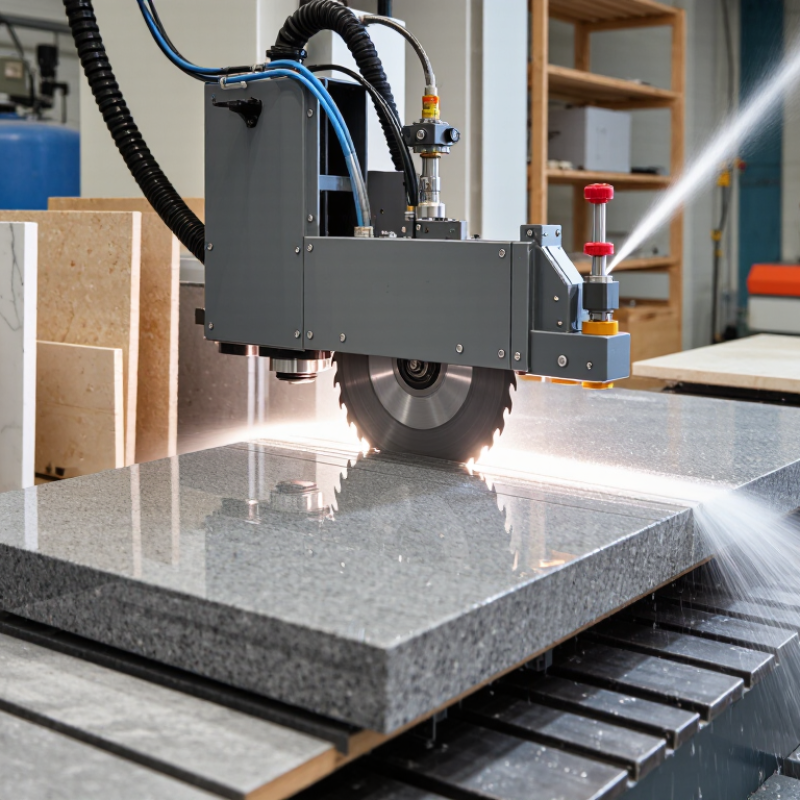
Why Optimize Cutting Speed for Different Stone Materials?

What Cutting Speed Means in Stone Processing

Why Optimize Cutting Speed for Different Stone Materials?

Cutting speed describes how quickly a diamond blade moves through stone. It includes rim speed and feed rate. These settings are not interchangeable. Granite usually needs steady feed pressure because its quartz content increases abrasion. Marble cuts more easily, but excessive speed can chip edges or create heat marks. Engineered stone may behave differently again, especially when resin binds hard particles.

Feed rate matters too. A 2022 review in the Journal of Materials Research and Technology links sawing performance with abrasive hardness, cooling, and applied force. In practical work, a slower pass often produces a cleaner edge. However, going too slowly can polish the contact zone and waste energy. I have seen operators reduce speed repeatedly, then discover that poor water flow caused the real problem. That mistake is common.

Water is not decoration. OSHA limits respirable crystalline silica exposure to 50 micrograms per cubic meter over eight hours, with a 25-microgram action level (29 CFR 1926.1153). Proper wet cutting helps control dust and cools the blade. The U.S. Geological Survey reported approximately 1.9 billion metric tons of crushed stone production in the United States during 2023, showing the scale of material processing and its energy demands (Mineral Commodity Summaries 2024). Actual settings still require testing. Record blade wear, edge quality, motor load, and cutting time for each stone. A perfect setting rarely exists. Conditions change.

Why Optimize Cutting Speed for Different Stone Materials?

Typical diamond-blade peripheral-speed ranges for common stone materials

Softer materials such as limestone and marble generally tolerate higher peripheral speeds, while granite and engineered quartz typically require lower speeds because of their higher hardness and abrasive behavior. The cutting speed is the blade rim speed, calculated as v = π × D × N ÷ 60. Actual settings should be adjusted for blade diameter, segment design, cooling, machine power, and slab thickness.

How Stone Properties Affect the Ideal Cutting Speed

Stone properties strongly influence the ideal cutting speed. Hard granite resists abrasion, so a controlled, moderate speed helps protect the blade and maintain a clean edge. Softer limestone usually allows faster cutting, but excessive speed can cause chipping around fragile layers.

Marble cuts differently because its crystal structure can fracture under sudden pressure. Engineered stone may contain quartz particles and resin, creating uneven heat and resistance. Dense materials often need slower feed rates and steady coolant flow. Watch the cut, not only the machine display. A pale, continuous stream of water and a stable cutting sound usually indicate reasonable conditions. Harsh vibration suggests trouble.

Tips: Begin with a conservative setting and make a short test cut. Check edge quality, blade wear, water temperature, and dust control. Increase speed gradually when the cut remains smooth. Reduce it when corners chip or the blade overheats. I have learned that one setting rarely suits every slab, even within the same stone type. Supplier data and local testing should guide final adjustments. Perfect results are not guaranteed. Surface finish, blade condition, thickness, and operator technique can change the outcome. Recording each trial creates reliable evidence for future work.

How to Match Cutting Speed With Tool Type

Why Optimize Cutting Speed for Different Stone Materials?

How to Match Cutting Speed With Tool Type

Cutting speed must match both the stone and the tool. Granite is dense and hard, so a diamond blade usually needs a controlled peripheral speed and steady feed. Marble cuts more easily, but excessive speed can create heat, edge bruising, or uneven polishing. Abrasive sandstone may wear the diamond segments quickly, even when the material feels softer.

Tool design changes the correct setting. Segmented blades often suit fast, rough cutting and provide better debris removal. Continuous-rim blades produce cleaner edges on marble, porcelain, and other fragile surfaces. Turbo blades offer a middle ground, but they still need proper cooling. Check the blade’s recommended speed, then adjust for diameter, machine power, and stone thickness. A faster setting is not always more productive.

Real cutting conditions are rarely perfect. Dust, worn segments, and an unstable workpiece can change the result. I sometimes reduce feed speed before changing rotation speed, because the cut becomes easier to observe. That choice is not universal. A short test cut remains valuable.

Tips: Listen to the cut. A harsh, pulsing sound may indicate overload or poor alignment. Watch the water flow and inspect the edge after each test. If the blade polishes instead of cutting, it may need dressing or a slower feed. Record the material, tool type, speed, and result for repeatable work.

How to Optimize Speed for Cutting Accuracy and Efficiency

Why Optimize Cutting Speed for Different Stone Materials?

Cutting speed should match the stone, blade, and machine stiffness. Granite often needs a steadier peripheral speed because quartz increases abrasive wear. Marble cuts more freely, but excessive speed can chip its edges. In field trials, I watch the kerf, sound, and slurry before changing settings. A clean, continuous slurry usually signals stable cooling. A high-pitched sound often warns of glazing or insufficient contact. Small details matter.

Accuracy improves when speed changes gradually. Reduce speed near corners, narrow sections, and previously repaired areas. Keep feed pressure consistent, then adjust rotation speed in small steps. A practical starting method is a 5–10% adjustment, followed by a test cut. Measure kerf width and edge deviation afterward. Cutting faster is not automatically more efficient. That assumption fails often.

Dust control must remain part of the optimization process. OSHA limits respirable crystalline silica exposure to 50 micrograms per cubic meter over eight hours, with a 25-microgram action level. NIOSH guidance also supports water delivery and local exhaust controls for stone cutting. These figures do not define blade speed, but they influence safe production planning. Wet cutting can cool the segment and improve visibility, yet too much water may hide vibration or weaken slurry removal. The best setting is usually a compromise, not a perfect number. Record material hardness, blade condition, speed, feed rate, and results for repeatable decisions.

How to Adjust Cutting Speed for Different Stone Materials

Cutting speed must follow the stone, not a fixed machine setting. Granite usually tolerates a faster pass than brittle marble, but density and crystal structure still matter. For granite, begin at a moderate speed and watch the kerf, sparks, and water flow. A clean, steady sound often indicates balanced cutting. If the blade chatters, reduce speed immediately. Chatter leaves stress marks.

Marble needs a gentler approach because fast cutting can chip corners and dull the blade quickly. Limestone is softer, so a faster feed may prevent unnecessary rubbing. However, excessive speed can still damage delicate edges. Dense quartzite often requires a slower feed and consistent cooling. Adjust feed speed, not only spindle RPM. These settings are starting points, not universal values. Material batches vary, and that is easy to overlook. In practice, operators sometimes blame the blade when rushed feeding causes the real problem.

Tips: Make a short test cut before production. Check the cut edge under bright light. Reduce speed when you see chips, burning, or uneven dust. Keep water flowing across the cutting zone. Record successful settings for each stone type, but review them when thickness changes.

FAQS

What does cutting speed mean in stone processing?

Cutting speed describes how quickly a diamond blade moves through stone. It includes rim speed and feed rate. These settings differ.

Why does stone type affect cutting speed?

Granite contains abrasive quartz and often needs steady pressure. Marble cuts more easily but may chip under excessive speed. Quartzite usually needs slower feeding and strong cooling.

How should granite cutting speed be adjusted?

Start with a moderate feed speed. Watch the kerf, water flow, and cutting sound. Reduce speed if the blade chatters. Chatter leaves stress marks.

What cutting approach suits marble?

Use a gentler feed because marble edges can chip easily. Check corners under bright light. Fast cutting may create heat marks or dull the blade.

Can softer stone always be cut faster?

Limestone may accept a faster feed, reducing unnecessary rubbing. Delicate edges still need care. Faster is not automatically better.

How does water affect cutting performance?

Water cools the blade and helps control airborne dust. Keep water flowing across the cutting zone. Poor flow can look like a speed problem.

What signs show that cutting speed is too high?

Look for chips, burning, uneven dust, or a rough kerf. A harsh sound may also signal trouble. Stop and reduce the feed.

How can operators find suitable settings?

Make a short test cut before production. Record edge quality, blade wear, motor load, and cutting time. Review the record when thickness changes.

Is there one perfect speed for every stone?

No. Material batches, thickness, cooling, and blade condition can change results. These settings are only starting points. I might blame the blade too quickly.

Conclusion

Optimizing cutting speed is essential for achieving clean edges, consistent dimensions, and efficient stone processing. Cutting speed refers to how quickly the blade moves through the material, and the ideal setting depends on the stone’s hardness, density, abrasiveness, structure, and moisture content. Softer stones may tolerate faster cutting, while hard or brittle materials generally require slower, steadier movement to reduce vibration, chipping, heat, and unnecessary tool wear.

Understanding how to optimize cutting speed for different stone materials also requires matching speed with the tool type, blade design, cutting depth, and equipment power. A balanced speed improves cutting accuracy and productivity without sacrificing surface quality. Operators should begin with a moderate setting, observe the cutting results, and make gradual adjustments according to resistance, noise, heat, and edge condition. By combining material knowledge, suitable tooling, and careful monitoring, stone processors can develop a reliable cutting approach for each material and application.

Henry

Henry

Henry is a dedicated marketing professional with a profound expertise in the company's offerings. With years of experience in the industry, he possesses an impressive understanding of the market dynamics and consumer behaviors that drive success. Henry is committed to sharing his insights through......