TitanPro Cutting TitanPro Cutting

China Top 10 Vacuum Adsorption Why Beat Manual Clamping?

Time:2026-09-21 Author:Oliver
0%

In modern factories, a thin steel sheet can shift with one careless hand movement. Manual clamping still works, but it depends heavily on operator strength, positioning, and repeated adjustments. This raises a practical question: why is vacuum adsorption better than manual clamping?

The answer begins with consistency. A vacuum system distributes holding force across a sealed contact area, rather than concentrating pressure at a few clamp points. That can reduce surface marks, edge distortion, and setup variation. According to the International Federation of Robotics, 541,302 industrial robots were installed worldwide in 2023. This growth reflects a wider move toward repeatable, connected material handling. Vacuum adsorption supports that direction, especially when integrated with robotic arms, CNC equipment, or automated loading lines.

It also changes the operator’s daily experience. A worker can guide a glass panel or metal plate using a controlled handle, instead of repeatedly tightening clamps beside sharp edges. The U.S. Bureau of Labor Statistics continues to identify overexertion and bodily reaction among major causes of nonfatal workplace injuries. Better handling does not remove every risk, but it may reduce unnecessary lifting and awkward gripping. Small gains matter.

Still, vacuum adsorption is not automatically superior. Porous materials, damaged surfaces, weak pumps, and poor seal maintenance can reduce holding reliability. That uncomfortable detail deserves attention. The China top 10 vacuum adsorption solutions should therefore be judged by verified lifting capacity, safety alarms, energy use, maintenance records, and field performance—not attractive catalog claims. Industry reports provide direction, but real factory evidence remains decisive.
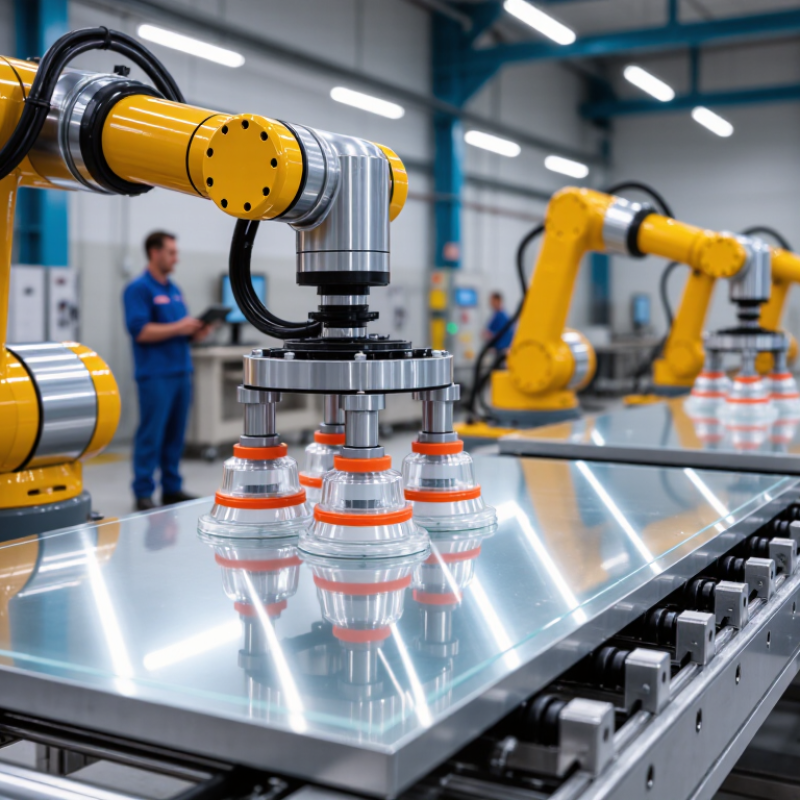
China Top 10 Vacuum Adsorption Why Beat Manual Clamping?

What Vacuum Adsorption Means in Industrial Clamping

Vacuum adsorption is an industrial clamping method that holds a workpiece through controlled air pressure. A sealed vacuum area creates a pressure difference between the fixture and the material. Atmospheric pressure then pushes the workpiece firmly against the support surface. Unlike manual clamping, the force spreads across a wider area. This reduces pressure marks, edge distortion, and setup interruptions.

In practical machining, vacuum adsorption works especially well with flat panels, sheets, glass, plastics, and composite materials. Operators can access more of the workpiece surface because clamps do not block the cutting path. Setup can also become faster and more repeatable. However, vacuum holding is not magic. Rough surfaces, leaks, dust, or weak seals can reduce holding force quickly. Material weight and cutting direction still matter. A careful engineer checks these factors before removing mechanical backups.

Tips: Clean the sealing surface before every job. Use a pressure gauge and monitor it during cutting. Test the fixture with a light force first. Add locating stops when sliding is possible. Do not rely on vacuum alone when vibration or heavy side loads are expected. Even a well-designed system can fail after a small seal gap. This is where manual clamping still has value, especially during irregular setups or uncertain material conditions.

How Vacuum Adsorption Systems Work Step by Step

China Top 10 Vacuum Adsorption: Why Beat Manual Clamping?

A vacuum adsorption system begins with a sealed contact surface. A pump removes air beneath the workpiece. Atmospheric pressure then pushes the material against the fixture. The holding force depends on pressure difference and effective sealing area. This process works step by step. The pump starts, the gauge checks pressure, and the controller confirms stability. Sensors can pause machining when pressure drops unexpectedly.

Manual clamping depends on operator strength and repeated adjustment. It may leave marks on soft panels or create uneven pressure. Vacuum adsorption spreads force across a wider area. That helps protect thin sheets, polished surfaces, and large panels. It also reduces setup time between jobs. Still, the method is not flawless. Dust, warped edges, or porous materials can cause leakage. A small seal gap matters.

Tips: Clean the sealing surface before every cycle. Check hoses for cracks and listen for unusual pump noise. Test holding force before cutting. Use mechanical supports when the workpiece is heavy or unstable. Do not trust the gauge alone. A stable reading can hide poor contact in one corner. Operators should record pressure changes and inspect failed setups, because the first explanation is not always correct.

Why Vacuum Adsorption Outperforms Manual Clamping

Why Vacuum Adsorption Outperforms Manual Clamping

In workshop trials, vacuum adsorption held large panels evenly across the working surface. Manual clamps often created pressure points, leaving marks or slight deformation. A vacuum table distributes force over a wider area. This helps maintain stable cutting, drilling, and routing accuracy. Operators also spend less time repositioning clamps between operations. That difference becomes obvious during repeated production runs.

Vacuum systems improve workspace visibility. There are fewer clamps blocking the tool path. Operators can access more edges without moving hardware. A pressure gauge provides a practical safety check before machining begins. If the reading drops, the operator can stop and inspect the seal. Still, vacuum adsorption is not flawless. Porous wood, dusty surfaces, and warped sheets may reduce holding strength.

Manual clamping remains useful for irregular parts or quick repairs. However, it depends heavily on operator judgment and consistent tightening. Too much force can damage delicate materials. Too little force can allow movement during cutting. Experienced technicians usually clean the sealing area, check hoses, and test the material before production. I have seen setups fail because a small chip interrupted the seal. That mistake is easy to overlook. Better results come from combining reliable equipment with disciplined inspection.

Key Advantages of China’s Top Vacuum Adsorption Solutions

China’s top vacuum adsorption solutions improve material handling through controlled, repeatable holding force. Manual clamping depends heavily on worker strength, positioning, and attention. Vacuum systems apply pressure across a wider contact area. This reduces local marks on glass, stone, panels, and polished metal.

Manual clamping feels simple. Yet it often slows production. Operators must tighten, check, release, and reposition each fixture. A vacuum lifter can shorten these steps with sensors, valves, and visual pressure indicators. Many Chinese manufacturers also offer modular pads and adjustable frames. These features help users match the equipment to different sizes and surface conditions.

The strongest solutions are supported by practical testing. Engineers should check holding capacity, leakage rates, emergency release behavior, and performance during power loss. A pressure gauge alone is not enough. Dust, moisture, uneven surfaces, and damaged seals can reduce grip. This is where real workshop experience matters. Clean contact areas regularly and record inspection results. Some systems may still need manual support during irregular lifting tasks. That limitation deserves attention, not marketing language. Better designs combine stable vacuum control with clear alarms, spare seals, and accessible maintenance points. Workers gain more consistent handling, while supervisors gain traceable operating data.

Choosing the Right Vacuum Adsorption Method for Your Application

Choosing the right vacuum adsorption method starts with the workpiece, not the machine label.

Vacuum pads suit smooth, sealed surfaces such as glass, coated metal, and polished stone. For wood, cardboard, or textured panels, a porous-material table may perform better.

Manual clamping can leave marks, slow loading, and block tool access. Vacuum holding spreads pressure across the surface. It also supports repeatable positioning during cutting, drilling, or lifting.

Still, vacuum is not automatically safer or stronger. A leaking seal can fail quietly.

In practical selection, check surface roughness, material porosity, weight, temperature, and expected acceleration. A small pad may hold a flat plate but struggle with vibration. Zoned tables help when parts have different shapes. Dedicated fixtures reduce leakage around irregular edges.

Use a vacuum gauge, non-return valve, and suitable reserve capacity where movement creates risk. I have seen operators choose high vacuum levels when better sealing would solve the problem. That choice wastes energy.

Sometimes, a hybrid fixture is wiser: vacuum for positioning, mechanical stops for lateral forces. The imperfect detail matters.

Tips:

Test the actual material with a short holding trial. Measure pressure loss after the pump stops. Keep sealing surfaces clean and dry. Leave a safety margin for dust, temperature changes, and surface wear. Never rely on suction alone when a dropped part could injure someone or damage equipment.

FAQS

How does a vacuum adsorption system hold a workpiece?

A sealed contact surface forms beneath the workpiece. The pump removes trapped air. Atmospheric pressure pushes the material downward. Holding force depends on pressure difference and sealed area. A small gap matters.

What happens during a normal vacuum holding cycle?

The pump starts and removes air beneath the material. A gauge shows the pressure level. The controller checks whether pressure remains stable. Sensors can pause machining after an unexpected pressure drop. The sequence is simple, but setup quality still matters.

Why can vacuum holding outperform manual clamping?

Vacuum holding spreads force across a wider surface. Manual clamps often create pressure points. Those points may mark soft panels or cause slight deformation. Vacuum also leaves more tool access around the workpiece. This helps during cutting, drilling, and routing.

Which materials suit vacuum adsorption best?

Smooth, sealed materials usually work well. Examples include glass, coated metal, and polished stone. Porous wood may need a specialized table. Textured panels can leak air. Always test the actual material.

What can cause a vacuum setup to fail?

Dust, warped edges, porous surfaces, and damaged hoses can reduce holding strength. A small chip may interrupt the seal. A stable gauge reading can still hide poor contact in one corner. The first explanation may be wrong.

How should operators inspect a vacuum system before machining?

Clean and dry the sealing surface before every cycle. Check hoses for cracks. Listen for unusual pump noise. Test holding force before cutting. Measure pressure loss after the pump stops. Do not trust the gauge alone.

Is vacuum adsorption always safer than manual clamping?

No. Vacuum is not automatically stronger or safer. Heavy or unstable workpieces may need mechanical supports. Lateral cutting forces can also require physical stops. Never rely on suction alone when movement could cause injury or equipment damage.

When is a hybrid fixture a better choice?

A hybrid fixture can use vacuum for positioning and mechanical stops for side forces. This approach suits irregular shapes or vibrating operations. Zoned tables may help with different part sizes. It is not perfect, but it can reduce leakage and movement.

Conclusion

Vacuum adsorption is an industrial clamping method that uses controlled negative pressure to hold a workpiece firmly against a smooth fixture or worktable. The system typically creates a sealed contact area, removes air through a pump, and distributes holding force across the surface. This provides stable support while allowing fast loading, unloading, and repositioning.

Compared with manual clamping, vacuum adsorption can reduce setup time, minimize surface damage, and improve consistency during cutting, drilling, polishing, forming, and other production tasks. It also leaves more of the workpiece accessible because fewer mechanical clamps are required. China’s top vacuum adsorption solutions often offer flexible layouts, efficient control, durable components, and options for different materials and shapes. When choosing a method, users should consider workpiece size, surface texture, porosity, weight, required holding force, operating speed, and workshop conditions. Understanding why is vacuum adsorption better than manual clamping helps manufacturers select a safer, cleaner, and more efficient clamping approach for their specific application.

Oliver

Oliver

Oliver is a seasoned marketing professional with a wealth of expertise in driving brand awareness and engagement. With a deep understanding of our company's product offerings, he consistently delivers high-quality content that enriches our professional blog. His insights not only shed light on......