TitanPro Cutting TitanPro Cutting

Why is Water Cooling Crucial for Stone Engraving Spindles?

Time:2026-05-05 Author:Liam
0%

Water cooling is critical in stone engraving, especially for spindles. These machines generate significant heat during operation. Excess heat can damage both the spindle and the stone. Therefore, understanding why is water cooling important for stone engraving spindles is essential for optimal performance.

When a spindle overheats, it can lead to reduced efficiency. It may also compromise the quality of the engravings. Proper cooling ensures that the spindle operates at a stable temperature. This consistency translates to precision and longevity. Some might overlook the cooling aspect. However, it is an integral part of carving with finesse.

In the high-stakes world of stone engraving, quality matters. Water cooling offers a reliable solution to manage heat build-up. It not only protects machinery but enhances the final product. Ignoring this can result in costly mistakes. In an industry where every detail counts, cooling becomes not just important but indispensable.
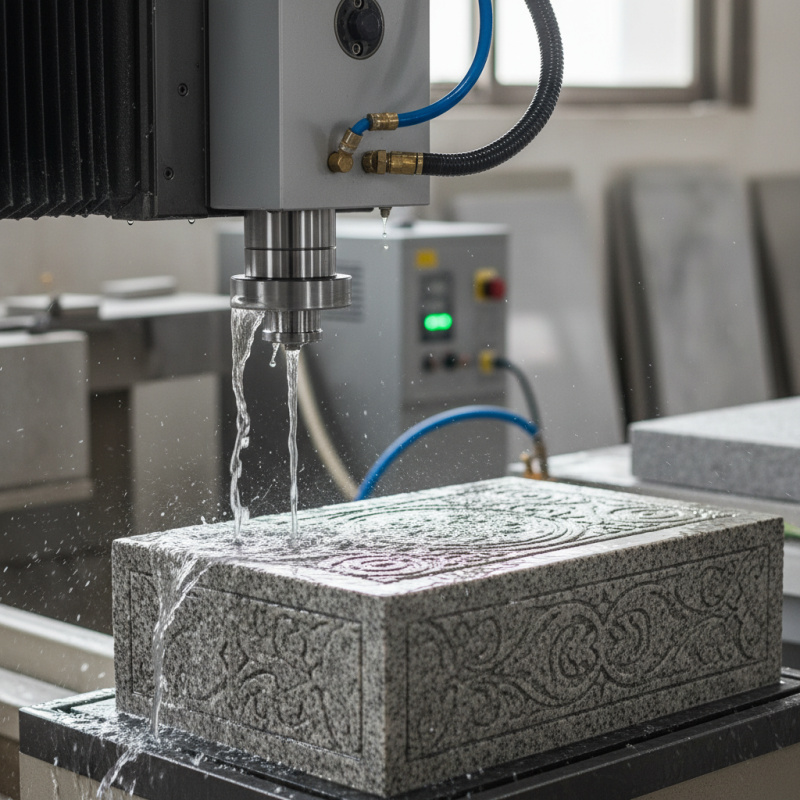
Why is Water Cooling Crucial for Stone Engraving Spindles?

Importance of Water Cooling in Stone Engraving Spindles

Water cooling plays a vital role in stone engraving spindles. When cutting or engraving stone, the friction generated produces heat. This heat can lead to damage. Without proper cooling, spindles can overheat and fail. A water cooling system helps to maintain optimal temperatures. It reduces wear on the spindle and prolongs its life.

Effective water cooling also enhances performance. It prevents the stone from cracking during engraving due to excessive heat. Ideal temperatures allow for smoother cutting and better detail. Spindles operate more efficiently, leading to improved quality in the final product. However, implementing a water cooling system can be challenging. Ensuring proper flow and avoiding clogs requires regular maintenance. Users need to monitor the system closely.

Maintaining water quality is essential. Contaminated water can cause corrosion and other problems within the spindle. Simple filters and regular changes can mitigate these issues. It's a small effort for the benefits gained. Engraving professionals must remain attentive to their cooling systems for optimal performance. This proactive approach can save time and resources in the long run.

Understanding the Function of Spindles in Stone Engraving

In stone engraving, spindles play a crucial role. They drive the cutting tools, shaping stone with precision. A spindle's performance directly affects the quality of the engraving. High speeds are essential. However, those speeds generate significant heat. This heat can lead to tool wear and decreased accuracy. Without proper cooling, a spindle can overheat, damaging both itself and the stone.

Water cooling systems are an effective solution. They lower the temperature, ensuring optimal functioning. By maintaining consistent cooling, spindles can operate longer and more efficiently. The coolant also helps to remove debris created during the engraving process. This keeps cutting tools sharper for longer periods. When the coolant flow is reduced, problems can arise. Engraving might become less precise, leading to costly errors.

Many users overlook the importance of cooling, thinking it is optional. However, neglecting adequate cooling can compromise operations. Proper maintenance of the water cooling system is vital. Users should regularly check for blockages or leaks. Addressing these issues can enhance spindle longevity and performance. In stone engraving, the difference is often in the details.

The Role of Heat Management in Stone Cutting Processes

Water cooling plays a critical role in stone engraving spindles. Heat management is essential during stone cutting processes to maintain optimal performance. When spindles overheat, they can affect accuracy and longevity. High temperatures may lead to tool wear and can compromise the quality of the finished product.

Effective heat management prevents these issues. Employing water cooling reduces friction and dissipates heat efficiently. It also helps maintain the integrity of both the spindle and the stone being cut. Regular maintenance of the cooling system is vital. Neglecting this aspect can lead to unexpected failures, impacting productivity.

Tip: Monitor the water temperature regularly to ensure it stays within optimal limits.

Choosing the right cooling method can enhance performance. Adjust the water flow based on the material you are cutting. This flexibility allows for better control over the engraving process.

Tip: Experiment with different water pressures to find what works best for your specific projects. This can improve efficiency and prolong spindle life.

Benefits of Water Cooling for Tool Longevity and Performance

Water cooling is vital for stone engraving spindles. It plays a critical role in enhancing tool longevity and performance. When the spindle operates, friction generates heat. This heat can lead to premature wear and tear. Reports indicate that spindles run cooler with water cooling, reducing temperatures by up to 30%. This temperature drop can significantly extend the life of the tool.

Moreover, heat impacts cutting quality. High temperatures can cause the spindle to lose its rigidity, leading to inaccurate engraving. A study from the Engineering Journal highlights that decreases in operating temperature lead to a 15% improvement in cutting precision. This improvement is crucial in stone engraving, where detail matters immensely.

Water cooling not only enhances performance but also reduces the risk of overheating. Spindles that overheat can develop cracks, leading to costly repairs or tool replacements. In fact, industry analysis suggests that using water cooling can reduce maintenance costs by 20%. However, some users may overlook the importance of regular water levels. This oversight can lead to inconsistent cooling. Without proper maintenance, the benefits of water cooling may diminish.

Common Challenges Without Water Cooling in Engraving Applications

Water cooling plays an essential role in stone engraving applications. Without it, spindles face significant challenges. High temperatures can lead to overheating, causing spindle damage and reduced efficiency. In fact, studies show that a spindle’s lifespan can decrease by up to 30% without proper cooling measures. This leads to increased downtime and repair costs, impacting overall productivity.

Effective water cooling helps maintain optimal working conditions. It keeps the spindle temperature in check, allowing for precision engraving. A report by a leading industry research group highlights that applications using water cooling can enhance engraving accuracy by 20%. This level of precision is crucial when working with intricate stone designs. Moreover, higher temperatures can affect the quality of the finish, resulting in chipping or cracks.

Neglecting water cooling also affects the safety of operators. High temperatures increase the risk of tool failure, which can lead to accidents. Therefore, investing in a reliable water cooling system is not just about improving performance. It’s about ensuring safety and quality in stone engraving operations. The need for reflection on current practices is essential for long-term success.

FAQS

: Why is water cooling important for engraving spindles?

: Water cooling reduces heat generated by friction, enhancing tool life and performance significantly.

How much can water cooling reduce spindle temperatures?

Water cooling can lower temperatures by up to 30%, preventing premature wear on tools.

What effect does high temperature have on engraving quality?

High temperatures cause spindles to lose rigidity, leading to inaccuracies in engraving and reduced detail.

How does water cooling impact maintenance costs?

Using water cooling can reduce maintenance costs by 20% by preventing overheating and damage.

What challenges do spindles face without water cooling?

Without cooling, spindles can overheat, leading to a lifespan decrease of up to 30% and increased downtime.

Can neglecting water levels affect cooling performance?

Yes, inconsistent water levels may lead to reduced cooling efficiency, diminishing the benefits of water cooling.

How does water cooling enhance precision in engraving?

Maintaining lower temperatures can improve cutting precision by 15%, crucial for intricate designs.

What risks are associated with high spindle temperatures?

High temperatures can cause tool failures, increasing the risk of accidents during engraving operations.

Why should users reflect on their current cooling practices?

Reflecting on cooling practices can ensure long-term success, safety, and quality in stone engraving work.

What could happen if water cooling systems are not reliable?

Ineffective water cooling may compromise performance and safety, leading to costly repairs and decreased engraving quality.

Conclusion

Water cooling is crucial for stone engraving spindles due to its significant impact on tool longevity and performance. Understanding the function of spindles in stone engraving reveals that these tools generate substantial heat during operation, which can compromise their efficiency and accuracy. Effective heat management is essential in the stone cutting process since excessive temperatures may lead to tool wear, reduced lifespan, and poor engraving quality.

The benefits of water cooling are manifold, as it not only keeps the spindle at optimal temperatures but also enhances cutting precision and reduces the risk of material damage. Without water cooling, common challenges arise, including overheating, frequent tool replacements, and compromised engraving outcomes. Therefore, addressing the question of why is water cooling important for stone engraving spindles highlights its necessity in ensuring the reliability and effectiveness of engraving applications.

Liam

Liam

Liam is a dedicated marketing professional with a profound expertise in the industry, where he excels at highlighting the unique advantages of our core products. With a keen understanding of market trends and consumer needs, Liam frequently updates our company’s professional blog, providing......