TitanPro Cutting TitanPro Cutting

How to Select the Right Bits for Acrylic Engraving?

Time:2026-06-19 Author:Madeline
0%

Acrylic engraving requires precision and the right selection of tools. Understanding how to select the right bits for acrylic engraving is crucial for achieving the best results. The right bits can enhance your engraving process, adding depth and detail to your designs.

Choosing the correct bits involves knowing their types and applications. Some bits are designed for finer details, while others work better for bold designs. It's important to consider the thickness and density of the acrylic as well. Not all bits perform well on every type of acrylic.

Engraving can often reveal unexpected challenges. You may find that a bit you thought would work perfectly does not perform as expected. Experimentation is a part of the learning process. Embrace mistakes as opportunities to refine your technique. Understanding how to select the right bits for acrylic engraving is a journey in itself, filled with learning and growth.
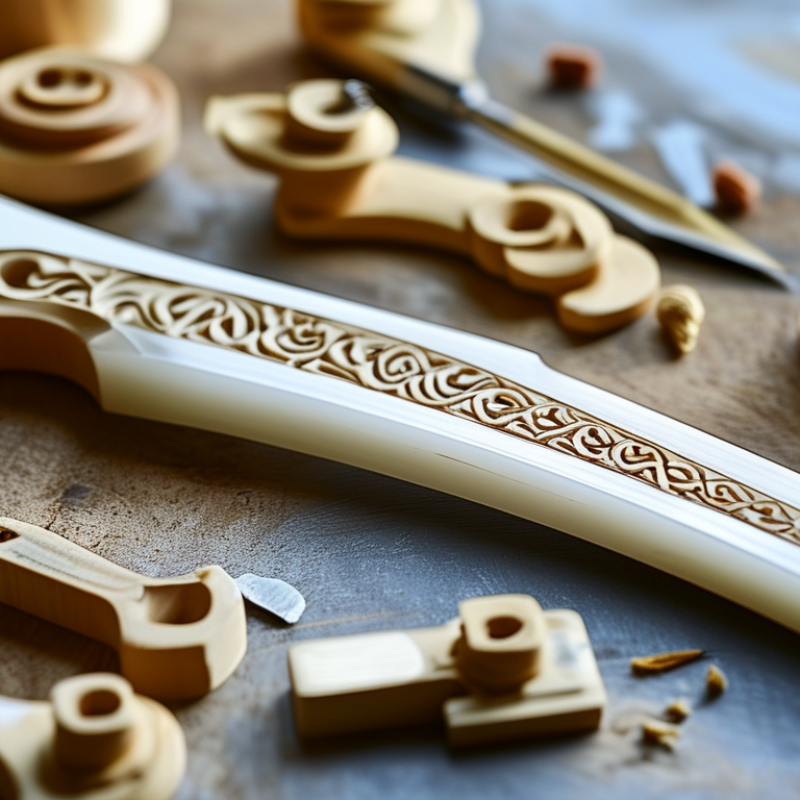
How to Select the Right Bits for Acrylic Engraving?

Understanding Acrylic Materials and Their Engraving Needs

Understanding acrylic materials is essential for successful engraving. Acrylic is a versatile plastic known for its clarity and durability. It is used in various applications, from signage to intricate art pieces. Research indicates that acrylic's surface can be sensitive to heat, which impacts engraving quality. Choosing the right bit can prevent overheating, ensuring cleaner cuts and deeper engravings.

Engraving acrylic requires specific bits depending on the desired outcome. For deeper engravings, a tapered bit is suitable. These bits help in achieving detailed designs without melting the material. The right bit reduces the risk of chipping and ensures precision. Studies show that using sharp bits increases engraving efficiency by up to 35%. Dull bits, on the other hand, can leave unwanted marks.

Understanding the differences in acrylic types is vital. Cast acrylic is better for fine detail work, while extruded acrylic is easier to engrave but may not yield the same level of precision. Many engravers overlook material variety, which can lead to unsatisfactory results. Always consider experimenting with different bits on scrap pieces to assess their performance before starting a project.

Types of Bits for Acrylic Engraving: A Comprehensive Overview

When it comes to acrylic engraving, selecting the right bits is crucial for achieving clean and precise results. Different types of bits serve various purposes, and understanding their functions can significantly enhance your project outcomes. For instance, straight bits are ideal for making deep cuts. They create sharp edges and clean lines in your designs. Conversely, swirl bits are better suited for engraving intricate patterns. They can produce detailed textures but may require a steadier hand.

Ball nose bits offer versatility, allowing users to carve both shallow and deep grooves. Their rounded design helps in creating smooth curves and intricate details. Be mindful, though. Using the wrong bit can lead to undesired finishes, such as melting or chipping the acrylic. The speed of the engraving machine also plays a role. Too fast can cause the bit to overheat, ruining your project.

If you're unsure about your selection, consider starting with a few different types. Test each one on scrap acrylic. This practice can help you refine your technique and understand how each bit behaves. It's a learning process involving trial and error. Having a clear idea about the characteristics of your bits will not only improve your engraving quality but will also enhance your confidence in handling acrylic.

Choosing the Right Bit Size and Shape for Precision Engraving

When selecting the right bit size and shape for acrylic engraving, precision is crucial. Various factors impact the outcome, such as the thickness and type of acrylic used. Research suggests that a bit diameter of 1/8 inch is optimal for detailed engraving. This size allows for intricate designs without sacrificing structural integrity. Finer bits, around 1/16 inch, can achieve detailed work but may lead to faster wear or potential breakage.

The shape of the bit also plays a significant role. Conical and ball-shaped bits are popular for their versatility. Conical bits are ideal for engraving at various depths, while ball-shaped bits are suited for softer finishes. Studies show that choosing the right shape can enhance engraving quality by up to 25%. However, using the wrong shape can result in chipping or uneven surfaces.

It is essential to consider factors like feed rate and spindle speed during the engraving process. Improper settings can affect the outcome negatively. Many users report challenges with achieving consistent results. Continuous experimentation can help refine techniques and improve results.

Bit Size and Shape Impact on Acrylic Engraving Precision

Factors to Consider for Bit Material and Coating

Choosing the right bits for acrylic engraving is critical for achieving high-quality results. Bit material and coating are two essential factors that can significantly impact the engraving process. Typically, carbide bits are favored for their hardness and durability. According to industry data, carbide bits can last up to 8 times longer than high-speed steel bits. This longevity translates to less frequent replacements and improved cost-effectiveness for users.

Coatings also play a vital role in bit performance. TiN (Titanium Nitride) coatings reduce friction, allowing for smoother cuts and prolonging the life of the bit. Reports indicate that bits with proper coatings can enhance cutting speeds by up to 25%. However, selecting the wrong coating can lead to overheating and material melting, especially in acrylic. It's crucial to assess the specific requirements of your engraving project before making a choice.

When selecting bits, consider the thickness of the acrylic. Thicker materials may require larger, more robust bits. For intricate details, opt for smaller bits. Remember, achieving precision takes time and experimentation. Embrace the learning curve; not every engraving will be perfect. Keep a log of your settings and results to refine your techniques. This practice will help you identify what works best for your projects.

How to Select the Right Bits for Acrylic Engraving? - Factors to Consider for Bit Material and Coating

Bit Type Material Coating Optimal RPM Recommended Thickness
Straight Bit Carbide Uncoated 15,000 - 20,000 RPM 3-10 mm
Ball Nose Bit High-Speed Steel Titanium Nitride 10,000 - 15,000 RPM 1-6 mm
V-Bit Carbide Diamond Coated 12,000 - 18,000 RPM 2-5 mm
Engraving Bit Cobalt Oxide Coated 10,000 - 20,000 RPM 0.5-3 mm

Maintenance Tips for Acrylic Engraving Bits to Ensure Longevity

Maintaining acrylic engraving bits is crucial for achieving high-quality results. Proper care can significantly extend the life of your tools. Regular cleaning is essential; dust and debris can accumulate on the bits, affecting performance. A soft brush can remove particles, while a gentle cloth helps wipe away any residue. Don’t overlook the importance of storage. Keep bits in a dry and organized environment. Moisture can damage them, leading to premature wear.


It's also vital to inspect your bits regularly. Look for wear and tear, such as dull edges or nicks. These imperfections can ruin your projects. Replacing damaged bits promptly can prevent further issues. Using bits for their intended purpose is equally important; not all bits are designed for acrylic. If you notice excessive chatter or rough edges, it might be a sign that you need a different type of bit.


Consider the impact of your engraving speed as well. If it is too fast or too slow, it may strain the bits. Finding the right speed can be a bit of trial and error. Reflecting on your engraving process will help you identify patterns that may need adjusting. Keeping track of your bit performance allows for better future choices. Implementing these maintenance tips will ensure that your acrylic engraving bits serve you reliably for a long time.

FAQS

: What is acrylic material known for?

: Acrylic is known for its clarity and durability. It is versatile and used in many applications.

How does heat affect acrylic engraving?

Acrylic's surface is sensitive to heat. This can impact the quality of engraving significantly.

What kind of bit is needed for deeper engravings?

A tapered bit is suitable for deeper engravings. It allows for detailed designs without melting the material.

Why should bits be sharp for engraving?

Sharp bits improve efficiency by up to 35%. Dull bits can leave marks and affect precision negatively.

What are the differences between cast and extruded acrylic?

Cast acrylic is better for fine details. Extruded acrylic is easier to engrave but may lack precision.

What bit diameter is considered optimal for detailed engraving?

A bit diameter of 1/8 inch is optimal for intricate designs. It maintains structural integrity well.

How does bit shape influence engraving quality?

The shape of the bit affects the outcome. Conical and ball-shaped bits provide versatility in engraving.

What can cause inconsistent engraving results?

Improper feed rate and spindle speed can lead to inconsistent results. Continuous adjustments may be needed.

Should users experiment with different bits?

Yes, trying different bits on scrap pieces is recommended. It helps to assess performance before starting projects.

What should engravers consider for better outcomes?

They should consider the type of acrylic, bit size, shape, and settings like feed rate for improvement.

Conclusion

When it comes to how to select the right bits for acrylic engraving, understanding the unique properties of acrylic materials is essential. Different types of bits, such as straight, spiral, or ball-nose, cater to various engraving needs, allowing for precision and detailing tailored to specific projects. Choosing the appropriate bit size and shape is crucial for achieving the desired depth and intricacy in engravings.

Moreover, factors like bit material and coating significantly impact performance and durability during engraving. Selecting high-quality materials can enhance the longevity of the bits, ensuring they withstand the rigors of repeated use. Maintenance tips, such as regular cleaning and proper storage, can further extend the life of acrylic engraving bits, enabling users to achieve consistent results in their creative endeavors. Ultimately, making informed decisions in each of these areas will lead to successful and polished engraving outcomes.

Madeline

Madeline

Madeline is a dedicated marketing professional with a wealth of expertise in our company's core offerings. With a keen understanding of the industry, she brings a unique perspective to her role, consistently delivering high-quality content that highlights the superior aspects of our products. As......