TitanPro Cutting
In today's competitive market, businesses seek efficient solutions to enhance production. One such innovation is the integrated bridge cutting machine. This technology brings numerous advantages to various industries, especially in stone and metal processing. But what are the benefits of integrated bridge cutting machines?
These machines simplify complex tasks. They provide precision cutting with minimal waste, which directly impacts the bottom line. Additionally, integrated systems reduce labor costs. Automation minimizes human error and speeds up production times. This efficiency can lead to a significant increase in profitability.
However, the transition to integrated bridge cutting machines isn't without challenges. Companies must invest in training for their staff to maximize these new tools. Initial costs may seem high, but the long-term gains often outweigh these concerns. As industries evolve, embracing this technology is crucial for staying competitive and sustainable.
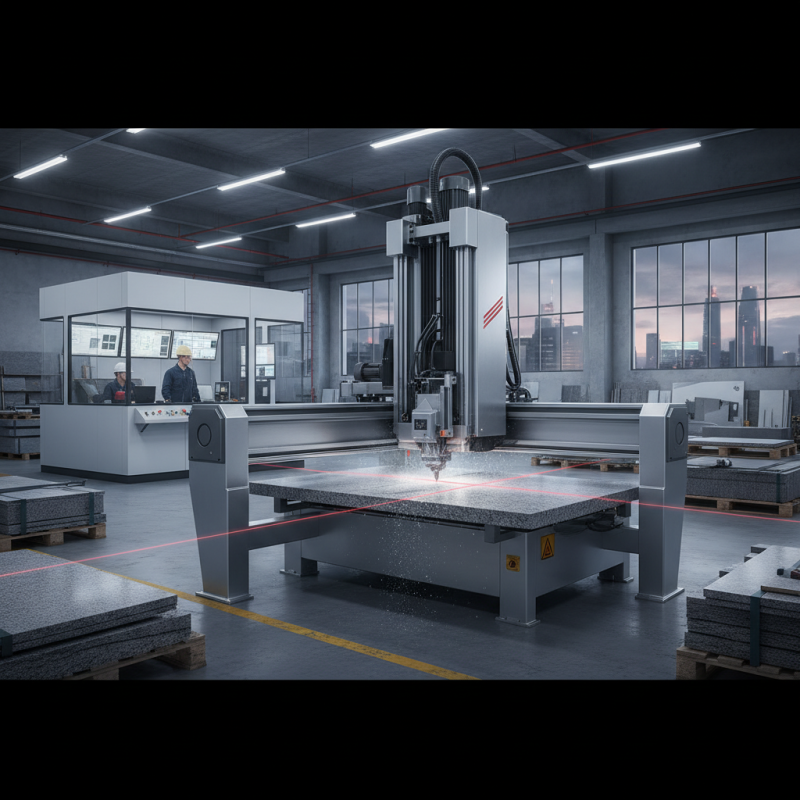
Integrated bridge cutting machines have become essential in modern manufacturing. Their ability to streamline processes greatly benefits operators. A report from the International Journal of Advanced Manufacturing Technology shows that integrated machines can improve productivity by 30% compared to traditional methods.
These machines offer precise cuts and minimize waste. The average material utilization rate can increase to 95% with enhanced cutter accuracy. This efficiency results in cost savings, which is crucial in today's competitive market. Additionally, operators can experience reduced fatigue due to ergonomic designs that optimize workflow.
However, the transition to integrated systems may require an initial investment. Some businesses hesitate due to costs and training. Yet, studies highlight a quick return on investment, often within one to two years. Reflecting on this, companies must weigh long-term advantages against upfront hurdles. It’s a balance of investing in technology versus maintaining outdated systems.
Integrated Bridge Cutting Machines offer various features that can significantly enhance operational efficiency in stone fabrication. One essential feature is their multi-functionality. These machines can execute cutting, polishing, and even engraving tasks, reducing the need for multiple pieces of equipment. Reports indicate that businesses utilizing integrated machines can save up to 30% on operational costs, primarily due to decreased machinery maintenance and energy consumption.
Another key feature is precision cutting technology. Advanced algorithms control the cutting process, ensuring each piece is produced with minimal waste. Industry data shows that high-precision cutting can reduce material loss by approximately 20%. This not only maximizes profits but also reduces the environmental footprint of the production process. However, achieving high efficiency requires regular calibration and operator training, which can be overlooked amidst busy production schedules.
Additionally, many integrated bridge cutting machines come equipped with user-friendly interfaces and automation capabilities. This can minimize the learning curve for new operators. Yet, reliance on automation might lead to challenges in oversight, as operators may become less familiar with manual processes. Ensuring a balance between automation and manual skills development is crucial for maintaining overall productivity and quality in stone machining.
Integrated bridge cutting machines are transforming the stone processing industry. Their cost-effectiveness stands out, especially when analyzing the return on investment (ROI). Businesses often struggle with high operational costs. These machines streamline production, minimizing waste and reducing labor needs.
When investing in technology, many factors play a part. Initial costs may appear daunting. However, savings emerge through enhanced efficiency and lower maintenance costs. Integrated systems can cut various materials with precision, saving time and resources. This leads to higher output and better product quality. Businesses often see significant long-term gains.
Yet, the decision is not without challenges. Understanding the full extent of ROI takes time. Some companies might focus solely on upfront savings and miss hidden costs. Training staff and adapting workflows create initial hurdles. Reflecting on these aspects is crucial for maximizing benefits in the long run. Balancing short-term investments with long-term vision ensures that integrated bridge cutting machines deliver true value.
This bar chart illustrates the projected ROI of Integrated Bridge Cutting Machines over a five-year period. As indicated, the ROI shows a steady increase, demonstrating the cost-effectiveness and financial benefits of investing in these machines for your business.
Integrated bridge cutting machines offer a transformative advantage over traditional cutting equipment. A recent report from the Manufacturing Automation Association reveals that integrated machines can increase productivity by up to 30%. This efficiency stems from their ability to handle multiple tasks simultaneously, reducing the time spent on setup and adjustments. Traditional machines often require manual recalibration, which not only slows down the process but also introduces room for error.
Moreover, integrated machines enhance precision and reduce waste. According to a study by the National Institute of Standards and Technology, improved accuracy in cutting processes can lead to a 15% reduction in material waste. This benefit directly impacts the bottom line, fostering a more sustainable approach as resources are used more effectively.
However, it’s important to note that the initial investment in integrated technology can be daunting for some businesses, and it may require staff training, which can take time to yield results.
Transitioning to integrated bridge cutting machines also presents challenges. For instance, some businesses may struggle with adapting to new software or workflows. Minor glitches in technology can lead to unforeseen downtime, affecting overall productivity. Balancing these imperfections with the anticipated efficiencies can be a complex endeavor, but it is often worth the investment for long-term gains in performance and output quality.
The integration of advanced bridge cutting machines can significantly transform business operations. These machines streamline processes, reducing time and labor costs. Businesses can achieve precision cuts with minimal waste, directly impacting profitability. Leveraging such technology enables firms to respond quickly to market demands. Flexibility improves, allowing for custom projects without the usual delays.
However, not every company embraces these innovations. Some may hesitate, fearing the cost of investment or the complexity of new systems. Training staff and adapting workflows can be challenging. Yet, those who take this leap often find increased efficiency and production capacity. As industries evolve, businesses must adapt or risk falling behind.
The impact of integrated solutions extends beyond the workshop floor. Enhanced productivity fosters stronger customer relationships. Quality products delivered on time build trust and encourage repeat business. As markets become more competitive, leveraging technology and integrated solutions isn't just beneficial; it’s essential for growth and sustainability.
| Feature | Benefit | Impact on Business | Growth Potential (%) |
|---|---|---|---|
| Automated Processing | Increased efficiency | Reduces operational costs | 15% |
| Precision Cutting | Higher quality products | Improves customer satisfaction | 20% |
| Advanced Software Integration | Streamlined operations | Enhances productivity | 25% |
| Reduced Waste | Cost savings | Promotes sustainability | 10% |
| User-Friendly Interface | Ease of use | Reduces training time | 5% |
: They are advanced cutting tools that combine multiple functions to enhance manufacturing efficiency.
They can boost productivity by 30% by handling tasks simultaneously and reducing setup time.
The average utilization can reach 95%, minimizing waste and maximizing resource use.
Yes, businesses may face upfront investment and training costs when adopting these systems.
Many companies report a return on investment within one to two years.
Companies may struggle with new software, training, and possible technology glitches affecting productivity.
They are designed ergonomically, optimizing workflow and making operations less strenuous for workers.
Traditional machines may work, but they are generally slower and less precise compared to integrated options.
Concerns about initial costs and the need for training can make some hesitant to invest.
They should reflect on initial adjustments, potential downtime, and adaptation challenges alongside anticipated efficiency gains.
Integrated bridge cutting machines are transforming the landscape of modern manufacturing by offering numerous advantages. When considering what are the benefits of integrated bridge cutting machines, one can highlight their enhanced efficiency through advanced technological features that streamline operations. These machines not only improve precision but also reduce waste, ultimately increasing productivity.
Furthermore, the cost-effectiveness of integrated bridge cutting machines plays a crucial role in analyzing their return on investment (ROI). Compared to traditional cutting machines, integrated solutions provide significant savings over time, making them a wise choice for businesses looking to leverage technology for growth. The impact of adopting these machines extends beyond operational improvements; they enable businesses to stay competitive in a rapidly evolving market by enhancing overall performance and innovation.