In the stone cutting industry, optimizing performance is crucial. Each type of stone has unique properties that affect cutting speed. Experts emphasize the importance of tailored approaches. Dr. Emily Carter, a leading figure in materials science, notes, “Understanding how to optimize cutting speed for different stone materials can improve efficiency and reduce costs.”
Cutting speed impacts not only production time but also the quality of the final product. For instance, softer stones cut differently than hard granites. Different abrasives and tools can further complicate the process. Recognizing these factors means that not all methods apply universally. Trial and error often lead to deeper insights regarding these variations.
The need for precision is clear. Many companies struggle with consistency. They may overlook the nuances that come with each stone type. It’s essential to fine-tune techniques for diverse materials. A one-size-fits-all approach seldom yields the best results. Achieving optimal cutting speeds can lead to lasting improvements in productivity and quality.
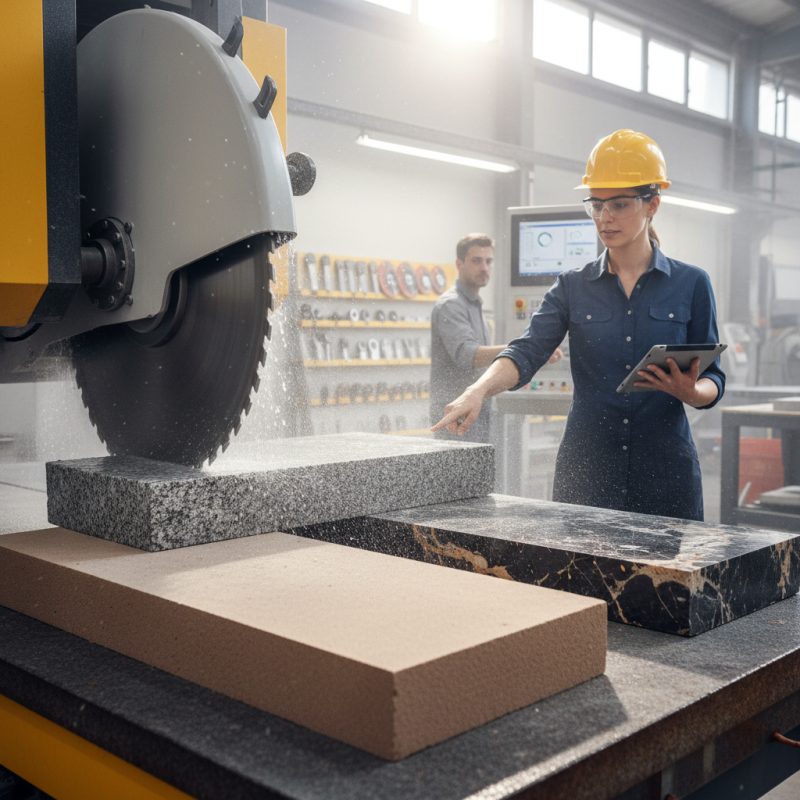
Importance of Cutting Speed in Stone Material Processing
Cutting speed plays a vital role in stone material processing. It significantly impacts productivity and the quality of the finished product. According to industry reports, the appropriate cutting speed can increase efficiency by up to 30%. Each stone material has unique properties, such as hardness and brittleness, necessitating specific cutting speeds.
When optimizing cutting speed, consider the type of stone. For example, granite, being harder, requires a slower cutting speed than softer stones like limestone. The cutting process produces heat, which can cause thermal damage. Therefore, using the correct speed prevents such issues. Additionally, tool wear is influenced by cutting speed. Higher speeds can lead to faster tool degradation, affecting overall production costs.
Tips: Always monitor the cutting edge for wear. Adjust speeds accordingly. Regular maintenance of cutting tools prolongs their lifespan.
Selecting the right speed also helps achieve better surface finishes. A too-fast speed can result in chipping or rough edges. Research indicates that a reduction in cutting speed by 10% can enhance surface quality significantly. Be mindful that each stone type may require specific adjustments. Experimentation is key to finding the optimal balance.
Factors Influencing Optimal Cutting Speed for Stone
Optimizing cutting speed for various stone materials is crucial in achieving efficiency and quality. Different stone types, such as granite, marble, and limestone, require distinct cutting speeds. The hardness and density of each material directly influence the optimal parameters. For instance, granite has a Mohs hardness of 6 to 7, thus demanding slower speeds to prevent excessive tool wear.
Temperature also plays a significant role in cutting stone. Higher speeds can generate heat, which might lead to material damage or tool degradation. A study showed that cutting speeds of granite should not exceed 30 meters per minute. The hardness of the stone dictates how the cutting tool interacts with it, emphasizing the need for careful analysis. A mismatch can result in poor finish and increased tooling costs.
Moreover, the quality of the cutting tool impacts performance. Tools designed for specific materials will yield better results. However, many operators overlook this factor, leading to unsatisfactory outcomes. Some professionals recommend regular speed adjustments based on real-time feedback to enhance performance. This adaptability can greatly improve overall productivity. Evaluating these aspects ensures optimal results in stone cutting operations.
Effects of Cutting Speed on Material Properties and Quality
Cutting speed plays a critical role in processing various stone materials. Different stones, such as granite, marble, and limestone, respond uniquely to cutting speeds. Higher speeds can lead to efficient cutting but may cause heat buildup. This heat can alter the stone's properties, making it more brittle. When cutting granite, for instance, too high a speed can create surface fissures, which weaken the stone.
Conversely, a slower cutting speed allows for better control and precision. It reduces the risk of over-heating and preserves the material's integrity. Additionally, lower speeds often produce a smoother finish, which is essential for aesthetic stone applications. However, cutting too slowly can lead to unnecessary tool wear and increased production time.
Understanding the balance between cutting speed and stone properties can enhance overall quality. Properly optimized speeds can yield superior surface finishes while minimizing damage. However, achieving this balance requires experimentation and experience. Each stone type demands a tailored approach for best results.
Techniques for Determining Suitable Cutting Speeds
Choosing the right cutting speed is crucial for various stone materials. Different stones have unique properties that affect how they respond to cutting. For example, granite requires a different approach than marble due to its hardness. Using the wrong speed can lead to poor results. Too fast can cause fractures or excessive wear on tools. Conversely, too slow can reduce efficiency.
Techniques to determine suitable cutting speeds include trial and error. Start with a moderate speed and adjust as necessary. Observing the cutting process closely helps. For instance, if you notice excessive dust or sparks, that may signal a need for speed adjustment. Conducting tests on sample stones is another method. This practice helps establish benchmarks for efficiency and effectiveness.
Environmental factors also play a role. Humidity and temperature can alter cutting dynamics. It's essential to monitor these elements. Additionally, machine capabilities strictly limit maximum cutting speeds. Finding a balance between these variables ensures optimal performance. Remaining flexible and open to adjustments makes a significant difference. Each stone material demands respect and a tailored approach.
Balancing Efficiency and Tool Wear in Stone Machining
Optimizing cutting speed for stone machining is crucial. It helps in balancing efficiency and tool wear. Each type of stone, such as granite or marble, requires different speeds for optimal results. A study by the International Journal of Advanced Manufacturing Technology indicates that cutting speeds range from 40 to 100 meters per minute for various stones. However, exceeding these speeds often leads to rapid tool wear and compromised surface quality.
Tool wear can vary significantly depending on the material. For example, harder materials like quartzite may cause tools to dull faster at higher speeds, resulting in increased costs and downtime. Notably, a report by the American Society of Mechanical Engineers highlights that improper speed settings can increase wear rates by up to 30%. This necessitates constant monitoring to achieve the best results.
Balancing cutting speeds involves assessing both productivity and equipment longevity. Sometimes, slower speeds can yield better surface finishes, which might require additional processes later on. It's essential to analyze wear patterns over time to refine cutting strategies. Regularly reviewing performance metrics can lead to improvements, although many manufacturers may overlook this aspect, potentially wasting resources in the long run.
Cutting Speed Optimization for Different Stone Materials
This chart illustrates the optimal cutting speeds for various stone materials, highlighting the importance of choosing the right speed to balance efficiency and tool wear during stone machining.
FAQS
: Cutting speed impacts productivity and the quality of the finished stone product. It can increase efficiency by up to 30%.
Each stone type has unique properties. For example, granite requires slower speeds than softer stones like limestone.
High speeds can lead to chipping, rough edges, and tool degradation. It may also cause thermal damage to the stone.
Start with a moderate speed. Observe the process for signs like excessive dust or sparks to adjust as needed.
The hardness, density of the stone, and environmental factors like humidity affect the cutting speed required for efficiency.
Using tools designed for specific materials yields better results. Overlooking this can lead to poor performance and increased costs.
Maintaining cutting tools prolongs their lifespan and enhances performance, preventing excessive wear and increasing overall efficiency.
Not adjusting speed can result in poor surface finishes and higher production costs, leading to unsatisfactory outcomes.
Yes, higher temperatures from fast cutting speeds may lead to material damage or tool degradation. Monitoring is essential.
Experimentation helps find the optimal balance for different stones. It leads to improved efficiency and a better finish.
Conclusion
Optimizing cutting speed for different stone materials is crucial in enhancing processing efficiency and ensuring high-quality results. The importance of cutting speed lies in its direct impact on material properties such as surface finish and durability. Factors influencing optimal cutting speeds include the type of stone being processed, the characteristics of cutting tools, and the desired outcome. Moreover, understanding how to optimize cutting speed for different stone materials involves balancing efficiency with tool wear, as excessive speeds can lead to rapid degradation of tools. Techniques for determining suitable cutting speeds—such as experimentation and material testing—can further aid in achieving the best results while minimizing costs and improving overall productivity in stone machining.
 TitanPro Cutting
