TitanPro Cutting TitanPro Cutting

How to Effectively Reduce Dust and Debris in Your Woodworking Shop?

Time:2026-06-01 Author:Aria
0%

Dust and debris can be a persistent issue in any woodworking shop. These particles not only clutter the workspace but also pose health risks. Understanding how to reduce dust and debris in a woodworking shop is essential for creating a safer and more efficient environment.

Effective dust management starts with assessing your workshop layout. Positioning equipment strategically can significantly minimize dust accumulation. Using dedicated dust collection systems can also improve air quality. Regular cleaning routines further ensure that debris does not become a hazard.

Improving ventilation plays a crucial role too. Good airflow helps carry away fine particles, which is key to a healthier workshop atmosphere. Implementing these strategies requires ongoing commitment and evaluation. Each shop is unique, and what works for one may need tweaking for another. Emphasizing practicality and adaptability is vital for long-term success in maintaining a clean workspace.
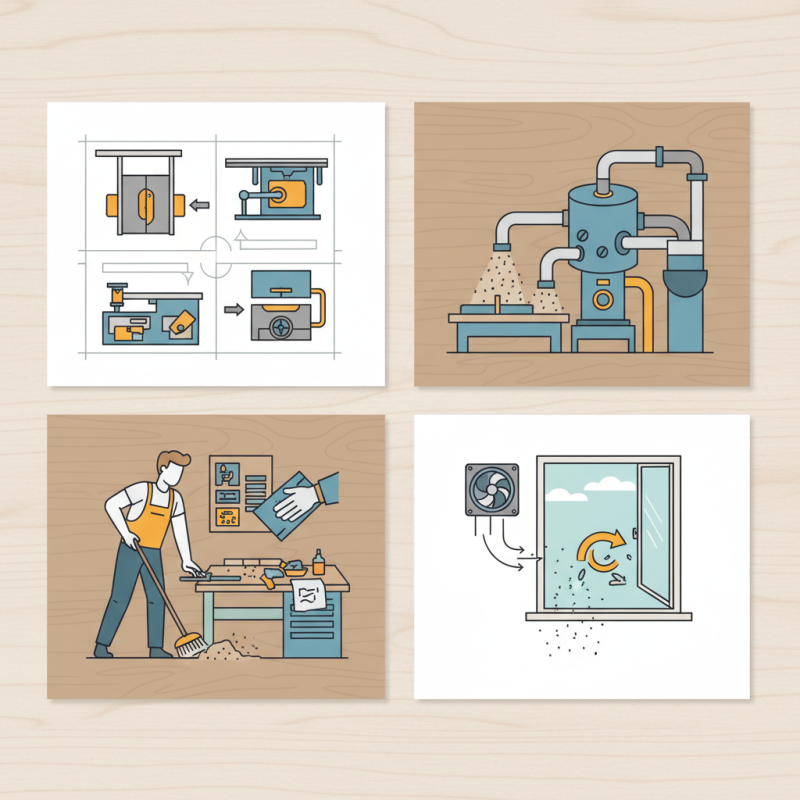
How to Effectively Reduce Dust and Debris in Your Woodworking Shop?

Understanding Dust and Debris Sources in Woodworking Shops

In a woodworking shop, dust and debris come from various sources. Cutting, sanding, and routing wood generate fine particles, while larger pieces break off during rough handling. These materials can settle into machines and work surfaces, leading to inefficiencies and health concerns over time. Understanding where dust comes from is essential for effective management.

One key source is the tools themselves. Table saws and sanders often create a significant amount of dust. Keeping these tools well-maintained can reduce waste. Regular cleaning around these machines is necessary to keep the workspace safe and productive.

Tips: Install a dust extraction system connected to your tools. It captures airborne particles before they settle. You might also use a shop vacuum for quick cleanups. Consider enclosing your workspace to minimize dust spread. You want a clean space to think and work.

Another contributor is the handling of materials. When moving and storing wood, debris can easily accumulate. Tools and raw materials should have designated storage areas. This practice can prevent excess clutter and allows you to focus better. Frequent organization checks can help keep your shop in top shape. A tidy environment encourages creativity and safety.

Effective Ventilation Strategies for Woodworking Environments

Effective ventilation is crucial in any woodworking shop. Poor air quality can lead to respiratory issues and affect your overall health. It's not just about having windows open; a systematic approach is essential.

Consider installing exhaust fans. These fans actively pull dust and airborne particles out of the shop. Position them near the source of dust creation, like saws and sanders. Natural airflow is also important. Cross-ventilation will help maintain fresh air, especially in smaller spaces. Opening opposing doors can create a breeze that dissipates fine particles.

Using air filtration systems improves cleanliness. HEPA filters capture even the smallest dust. Ensure that these filters are maintained regularly. Cleaning or replacing them keeps air quality high. Relying solely on one method might not be enough. The combination of fans and filters addresses dust from multiple angles. You might occasionally notice some dust settling. That's a sign your system needs a review. It can be a learning moment to improve your workshop's air quality further.

Dust and Debris Reduction Strategies in Woodworking

Choosing the Right Dust Collection Systems for Your Workshop

Selecting the right dust collection system is crucial for any woodworking shop. A good system dramatically reduces dust and debris, enhancing both safety and air quality. You need to consider your shop's size and the types of tools you frequently use. Larger tools like table saws require more powerful systems. It's essential to match your dust collector's capacity to your equipment's output.

When choosing a system, look for key features. A good filtration level is vital. Fine dust particles can be harmful if inhaled. Consider a system that can filter particles as small as 2.5 microns. Portability is another factor. If you frequently change your setup, a mobile unit may work best for you.

Reflect on your current setup. Do you regularly deal with dust buildup? Maybe your system isn’t powerful enough. Sometimes, dust collectors create noise issues. Finding a balance between efficiency and comfort is key. Remember, even the best systems require maintenance. Regular checks and cleanings are necessary to keep them running effectively.

How to Effectively Reduce Dust and Debris in Your Woodworking Shop? - Choosing the Right Dust Collection Systems for Your Workshop

Dust Collection System Type Air Flow (CFM) Filter Efficiency Noise Level (dB) Price Range ($)
Central Dust Collector 1200 99.9% 85 2000 - 5000
Portable Dust Collector 600 95% 75 300 - 1000
Wall-Mounted Dust Collector 800 97% 68 400 - 1500
Cyclone Dust Collector 1400 99% 90 1500 - 4000

Implementing Regular Cleaning Routines to Maintain Shop Hygiene

Maintaining a clean woodworking shop is essential. Regular cleaning routines ensure a safer and more efficient workspace. Dust and debris can compromise both your health and the quality of your work. A dirty shop often leads to equipment malfunction and inaccurate cuts. Creating a clean environment pays off in the long run.

To implement effective cleaning routines, set a specific schedule. Daily cleaning tasks can include sweeping the floor and wiping surfaces. Weekly tasks might involve deep cleaning tools and machinery. Don’t overlook corners and hidden areas where dust accumulates. It’s tempting to skip these, but neglecting them can lead to bigger problems.

Start small if you feel overwhelmed. Dedicate just ten minutes daily to cleaning. It can become a habit. Reflect on the impact of a clutter-free space on your creativity and productivity. A clean shop allows for focus and precision in your work. Prioritizing cleanliness fosters a culture of discipline in your woodworking practice.

Utilizing Personal Protective Equipment for Woodworking Safety

In any woodworking shop, protecting yourself is crucial. Dust and debris can easily lead to health issues. That’s where personal protective equipment (PPE) comes in. Wearing a mask can prevent inhalation of harmful particles. Safety goggles protect your eyes from flying debris. Ear protection can guard against the loud noises of machinery. Each piece of equipment plays a specific role in ensuring your safety.

It's evident that PPE is essential, yet many underestimate it. I’ve witnessed experienced woodworkers neglecting these items. They think “it won’t happen to me.” This mindset is dangerous. A small mistake can have serious consequences. Ensure you invest time in finding the right gear. It should fit well and be comfortable. If it’s not, you might ignore it. Your safety should always be a priority.

Regularly inspect your PPE. Dust accumulation can reduce its effectiveness. If you notice wear or tear, replace it immediately. Relying on old, worn-out gear is a trap. It may seem convenient, but it puts you at risk. Always be proactive in your approach to safety. The right protective measures can save you from potential harm. Without them, woodworking could become a hazardous environment.

FAQS

: What are the main sources of dust in woodworking?

: Dust primarily comes from cutting, sanding, and routing wood. Larger pieces can also break off during rough handling.

How can tools contribute to dust production?

Tools like table saws and sanders produce significant dust. Keeping them maintained is vital to reduce waste.

What can I do to manage dust in my workshop?

Install a dust extraction system. It captures airborne particles before they settle. A shop vacuum is helpful for quick cleanups.

How can material handling create debris?

Moving and storing wood can lead to debris accumulation. Designated storage areas for tools and materials can reduce clutter.

Why is personal protective equipment (PPE) important in woodworking?

PPE protects against inhaling harmful particles and from flying debris. It ensures safety while working with dangerous tools.

Do experienced woodworkers always use PPE?

Many underestimate the importance of PPE, believing accidents won't happen to them. This mindset can be very risky.

How should I choose and maintain my PPE?

Select gear that fits well and is comfortable. Regularly inspect it for wear and replace any damaged items immediately.

What happens if I ignore PPE?

Ignoring PPE can lead to serious health risks. A small oversight can result in significant consequences while woodworking.

How can a tidy workspace impact creativity?

A cluttered shop can distract you. Regular organization checks promote focus, safety, and a better creative environment.

What common mistakes do woodworkers make regarding safety?

Underestimating risks and neglecting PPE are common errors. Prioritizing safety can help prevent potential harm.

Conclusion

In order to effectively reduce dust and debris in a woodworking shop, it is crucial to first understand the sources of dust and debris that are generated during the woodworking process. By identifying these sources, woodworkers can implement targeted strategies to mitigate them. Effective ventilation is essential; installing exhaust fans and ensuring proper airflow can drastically improve air quality.

Additionally, selecting the right dust collection systems tailored for specific woodworking tasks can significantly help in maintaining a clean workspace. Regular cleaning routines must be established to keep the shop hygienic, while utilizing personal protective equipment ensures safety for all workers. By following these guidelines on how to reduce dust and debris in a woodworking shop, you can create a healthier and more efficient working environment.

Aria

Aria

Aria is a dedicated marketing professional with a deep passion for innovative strategies and a keen understanding of our company's product offerings. With a wealth of experience in the industry, Aria excels at crafting engaging content that highlights the unique features and benefits of our......