TitanPro Cutting TitanPro Cutting

Why Does My CNC Tool Break When Engraving Aluminum?

Time:2026-09-01 Author:Charlotte
0%

When it comes to CNC machining, understanding why tools break is crucial. One common issue faces machinists: why does my CNC tool break during aluminum engraving? A study by the American Society of Mechanical Engineers revealed that tool failure rates in CNC operations can reach 30%. This statistic emphasizes the importance of addressing tool integrity.

Engraving aluminum presents unique challenges. The material's softness requires specific tooling strategies. High-speed machining and improper feeds can lead to significant wear on tools. A report from the National Institute of Standards and Technology highlights that inadequate cooling can increase tool wear by up to 50%. This means that many machinists may overlook essential cooling techniques.

Furthermore, the quality of the tool itself plays a significant role. Tools made from subpar materials can break easily. It's essential to assess the cutting parameters and tooling methods. Failing to do so not only affects quality but may also lead to costly downtime. Reflecting on these factors can help in identifying solutions and improving CNC engraving outcomes.
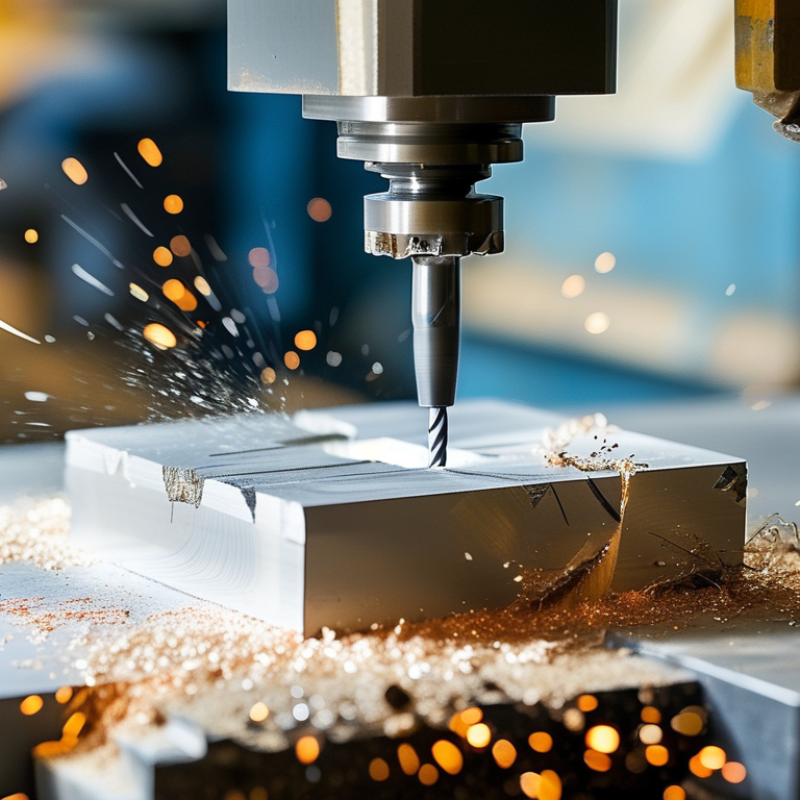
Why Does My CNC Tool Break When Engraving Aluminum?

Common Causes of CNC Tool Breakage When Engraving Aluminum

When engraving aluminum with CNC tools, breakage can occur for various reasons. One of the most common issues is incorrect feed rates. If the feed rate is too high, the tool may struggle to keep up, leading to stress and breakage. Conversely, a feed rate that is too low may cause overheating, which weakens the tool and results in premature failure.

Tool selection is another crucial factor. Using the wrong type of tool can lead to problems. For aluminum, it's vital to choose cutting tools designed specifically for this material. Tools with a larger core diameter provide better support and reduce the chances of breakage. Additionally, ensuring the tool is sharp can make a significant difference. Dull tools increase cutting force, which raises the risk of breaking.

Another cause of breakage is improper coolant or lubrication. Engraving aluminum generates heat, and without adequate cooling, the tool can become damaged. Implementing the right cooling strategy can enhance tool life significantly. It’s essential to monitor the entire engraving process closely. Small adjustments can prevent larger issues down the line, fostering a more reliable engraving experience.

Common Causes of CNC Tool Breakage When Engraving Aluminum

The Role of Tool Material in CNC Engraving Performance

When engraving aluminum, the choice of tool material significantly impacts performance. High-speed steel (HSS) tools may struggle with this material. They wear down quickly due to aluminum's softness and tendency to stick. This can lead to frequent tool breakage and poor engraving quality. On the other hand, tungsten carbide tools provide better durability. They can withstand higher temperatures and maintain a sharp edge longer.

Cutting speed and feed rates also play a role. Using the wrong parameters can increase stress on the tool. This often results in failure, especially with HSS tools. It’s vital to adjust your settings based on the tool material. More precise control can reduce breakage and improve the overall finish.

CNC operators must understand how tool material influences engraving performance. It’s not just about selecting tough materials. The interaction between the tool and aluminum is complex. Experimentation and careful observation are essential. You might find what works best for your specific needs. Each engraving project may require different considerations to avoid unnecessary frustrations.

Why Does My CNC Tool Break When Engraving Aluminum? - The Role of Tool Material in CNC Engraving Performance

Tool Material Hardness (HRC) Recommended Cutting Speed (m/min) Common Failure Mode Lifespan (Hours)
High-Speed Steel (HSS) 60-65 30-50 Chipping 5-10
Carbide 75-80 60-100 Wear 20-30
Cobalt 65-70 50-80 Fracture 10-15
Diamond Coated N/A 100-150 No failure until wear 30-50

Importance of Proper Feed Rate and Speed Settings

Engraving aluminum can be challenging, and one of the most common issues is tool breakage. A crucial factor that often gets overlooked is the proper feed rate and speed settings. When these parameters are not correctly adjusted, the CNC tool may encounter excessive stress, leading to a higher likelihood of breaking. Aluminum, while soft compared to other metals, requires precise control to prevent tools from binding or overheating.

Proper feed rates ensure that the tool cuts through the material efficiently. If the feed rate is too fast, the tool may not remove material effectively, leading to increased friction. Conversely, a slow feed rate can cause the tool to dwell too long in one spot, generating heat and potentially causing tool damage. Moreover, the spindle speed must be tailored to both the material and the specific tooling being used. A mismatch can create vibrations that amplify wear and tear on the tool.

Some users may find it challenging to strike the right balance. It often requires trial and error, which can be frustrating. Setting up the right parameters may take additional time, but experimentation can provide valuable insights. Collecting data on different feeds and speeds will help refine the process over time. It's essential to learn from any mistakes and adjust accordingly to enhance tool longevity and improve the engraving quality.

Cooling Methods to Prevent Tool Breakage During Aluminum Engraving

When engraving aluminum, maintaining proper cooling methods is crucial to prevent tool breakage. Aluminum generates high temperatures during machining. High heat can weaken the tool, leading to premature failure. Using adequate cooling techniques helps mitigate these risks.


One effective cooling method is the application of coolant during engraving. Coolant helps lower the temperature and lubricates the cutting edge. This reduces friction and keeps the tool sharp. Additionally, consider using mist cooling systems. These systems deliver a fine mist of coolant, which cools and lubricates at the same time.


Another approach is to optimize the engraving speed and feed rate. Slower speeds may reduce heat generation. However, too slow can increase pressure on the tool. Finding the right balance can be challenging but vital. Adequate airflow around the tool can also aid in cooling. Ensuring correct setup can require adjustments and experimentation. While perfect conditions are hard to achieve, focus on continuous improvement for better results.

Maintenance Practices to Extend CNC Tool Life When Engraving

Engraving aluminum can be challenging. One reason for CNC tool breakage is inadequate maintenance. Regularly checking tools can drastically improve their lifespan. According to a report by the Manufacturing Technology Association, poorly maintained tools lead to a 30% increase in breakage rates. Failing to replace worn parts can lead to costly downtime.

Proper lubrication is critical. Insufficient lubrication can overheat the tool, causing premature wear and fractures. A study published in the Journal of Manufacturing Processes revealed that using the right coolant can extend tool life by up to 50%. Regularly inspect the coolant system to ensure optimal flow and quality.

Additionally, tool selection matters. Many operators overlook the importance of choosing the right tool geometry for aluminum. A recent survey indicated that 40% of CNC failures stem from improper tool choice. Regular training in tool care and selection can mitigate these risks. Encourage ongoing learning to grasp effective practices. Recognizing these maintenance issues is the first step to enhancing performance.

FAQS

: Why does tool material matter in CNC engraving aluminum?

: Tool material affects durability. High-speed steel wears quickly, while tungsten carbide lasts longer and maintains sharpness.

What happens if the feed rate is set incorrectly?

Incorrect feed rates can stress the tool. This often leads to breakage and poor engraving quality.

How can I minimize tool breakage while engraving?

Adjust speed and feed settings carefully. Experiment to find the right balance for your specific engraving tasks.

What role does lubrication play in tool maintenance?

Proper lubrication prevents overheating. Insufficient lubrication can lead to tool damage and reduced lifespan.

Why is regular tool inspection important?

Regular checks help identify wear. Ignoring this can increase breakage rates by up to 30%.

How can I improve my engraving results?

Collect data on feeds and speeds. Analyze what works best and adjust your settings accordingly.

What should I consider when selecting a tool for aluminum?

Tool geometry matters. Many failures come from improper tool choice, so choose carefully.

Is training important for CNC operators?

Yes, ongoing training enhances tool care knowledge. It helps reduce mistakes and improves engraving performance.

Can trial and error benefit my engraving process?

Yes, experimentation often leads to better insights. Learn from mistakes and refine your settings over time.

What is the impact of coolant on tool life?

Using the right coolant can extend tool life significantly. Regularly check coolant flow for best results.

Conclusion

When faced with the question, "why does my CNC tool break during aluminum engraving," it is essential to consider several contributing factors. Common causes of tool breakage include improper feed rates, inadequate tool material, and lack of cooling methods. The type of material used for the engraving tool significantly impacts its performance and durability. Moreover, setting the correct feed rate and spindle speed is crucial to minimize stress on the tool, ensuring smoother operations.

Implementing effective cooling strategies can help maintain optimal temperatures during engraving, preventing overheating that leads to tool wear and failure. Additionally, regular maintenance practices, such as tool sharpening and inspection, play a vital role in extending the lifespan of CNC tools. By addressing these aspects, one can reduce the likelihood of breakage and enhance the overall efficiency of aluminum engraving processes.

Charlotte

Charlotte

Charlotte is a seasoned marketing professional with a deep understanding of the company's portfolio and a passion for elevating its presence in the market. With a keen eye for detail and a commitment to excellence, she ensures that our professional blog is regularly updated with insightful articles......