TitanPro Cutting
Understanding the challenges of CNC machining, especially when cutting stone, is crucial for any operator. Many users often wonder, "why is my CNC machine vibrating during stone cutting?" This question highlights a common issue faced in the industry. Vibrations can lead to decreased accuracy and even damage the machine or the material.
The vibration problem can stem from multiple sources, including tool selection, feed rate, and machine calibration. Each factor contributes to the overall stability of the cutting process. Operators must reflect on their setups to identify potential issues. Perhaps the tooling isn't appropriate for hard stones, or the feed rate is too aggressive.
Inconsistent vibrations may also indicate misalignment or worn components. Learning to troubleshoot these vibrations requires experience and knowledge. It's essential to leverage expert advice and resources to improve cutting performance. Ultimately, minimizing vibrations not only enhances precision but also prolongs the life of the CNC machine.
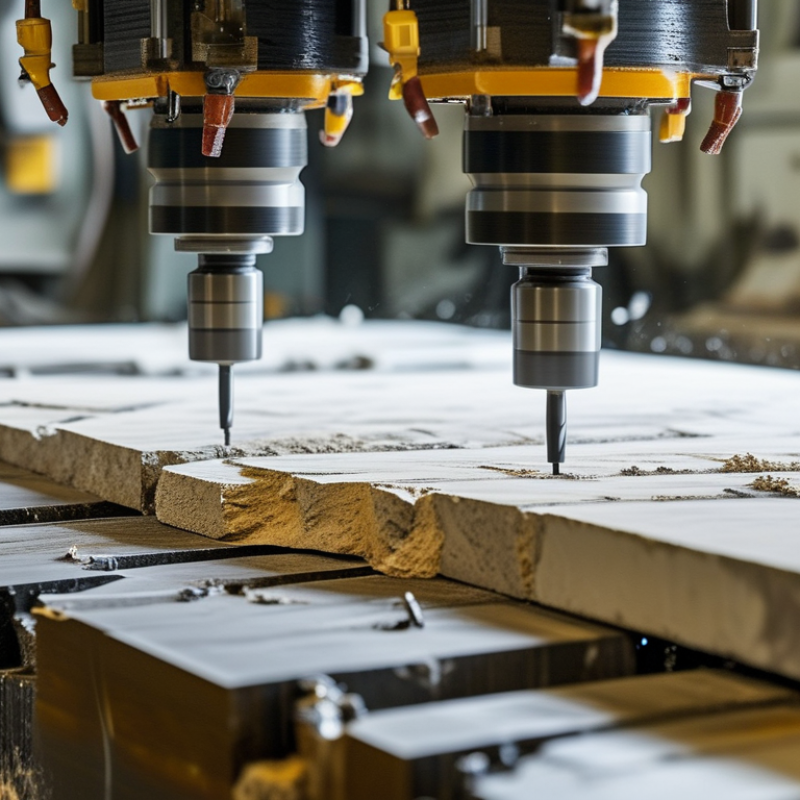
CNC machines face various issues during stone cutting, and vibration is a common problem. This vibration often stems from several key causes, including the cutting tool design, material properties, and machine calibration. For instance, dull or improperly designed tools can lead to excessive friction, which triggers vibrations. A report by the International Journal of Advanced Manufacturing Technology found that improper tool geometry can increase vibration levels by up to 30%.
Rigidity is crucial for precision in CNC operations. If the machine lacks sufficient stiffness or has loose components, vibrations amplify during the cutting process. According to a study conducted by the Society of Manufacturing Engineers, about 25% of vibration-related issues in CNC machines are attributed to misaligned components or worn-out parts. This highlights the importance of regular maintenance and calibration to minimize these issues.
Material properties also play a significant role. Stone varies widely in density and grain structure, influencing the cutting dynamics. Harder stones can generate more vibration due to their resistance to cutting forces. The vibration could distort the cutting path, resulting in poor finish quality. Research indicates that optimizing feed rates and cutting speeds can reduce vibrations by 15% or more, enhancing both machine performance and product quality. These factors collectively underscore the need for ongoing assessment and adjustments in CNC stone cutting operations.
This chart illustrates the various causes of vibration in CNC machines during stone cutting, represented by different factors affecting vibration intensity. Proper understanding and management of these factors can help in mitigating vibration issues.
When cutting stone with a CNC machine, tool choice significantly impacts stability. The right tool can minimize vibrations, which often lead to poor cuts and increased wear on machinery. Studies indicate that using a solid carbide end mill can reduce vibrations by up to 30% compared to standard high-speed steel tools. This choice allows for smoother cuts and extends tool life, crucial for cost-efficiency.
The geometry of the cutting tool also matters. A tool with the correct rake angle and flute design can better manage chip flow and reduce lateral forces. According to industry reports, improper tool design can double the stress on a CNC machine, leading to mechanical issues over time. It's essential for operators to evaluate their tool selections regularly and consider tests with varying designs to identify optimal configurations.
Moreover, vibration can arise from tool diameter changes. Larger diameter tools can increase cutting forces, causing instability. An analysis showed that shifting from a 10mm to a 12mm tool can increase vibrations by nearly 15%. This highlights the critical nature of proper tool selection and machining parameters for ensuring the longevity and effectiveness of CNC machines when working with stone.
| Tool Type | Vibration Level (dB) | Material Density (g/cm³) | Feed Rate (mm/min) | Surface Finish Quality |
|---|---|---|---|---|
| Diamond Cutter | 75 | 2.65 | 100 | Excellent |
| Carbide Tool | 85 | 2.65 | 120 | Good |
| HSS Tool | 95 | 2.65 | 80 | Fair |
| CNC Router Bit | 80 | 2.75 | 150 | Very Good |
CNC machines can vibrate when cutting stone, causing numerous issues. One crucial aspect to address is machine calibration and maintenance. Research shows that improper calibration leads to a 30% reduction in cut quality. Regular maintenance can minimize vibrations significantly, helping operators achieve better results.
Calibration involves adjusting machine settings to ensure it operates within specified tolerances. According to industry standards, a deviation greater than 0.1 mm can lead to misalignment and increased vibration. Maintaining a clean machine environment also plays a vital role. Removing debris and checking for wear can prevent excessive vibrations during cutting.
Ignoring these aspects can result in costly errors. Reports indicate that 25% of machining defects stem from poor maintenance practices. Additionally, periodic inspections can help identify potential issues before they escalate. By focusing on calibration and maintenance, operators can enhance performance, improve cut precision, and reduce vibration-related challenges.
Cutting stone with a CNC machine can result in noticeable vibrations. These vibrations often stem from the material properties of the stone itself. Harder stones, like granite, require more robust cutting tools and settings. Studies indicate that tools experience different levels of wear based on the mineral composition of the stone. This can affect vibration levels greatly.
The density and brittleness of the stone contribute to varying cutting performance. For example, granite has a density of approximately 2.75 g/cm³, while softer stones like limestone average around 2.30 g/cm³. As the cutting tool encounters harder materials, it experiences increased resistance, leading to greater vibration. This can compromise precision. A report from the Society of Manufacturing Engineers reveals that nearly 40% of CNC machining issues are related to material interaction.
Moreover, the cutting speed and feed rate can exacerbate vibration problems. An inadequate feed rate can lead to tool chatter, significantly impacting surface finish. It’s important to align machine settings with the specific characteristics of the stone. If left unaddressed, these vibrations can lead to tool failure and ultimately affect production efficiency. Understanding these material properties can help operators optimize their CNC machines for better performance.
Vibration during stone cutting can affect precision and quality. To minimize this issue, consider several practical techniques. First, ensure your CNC machine is properly calibrated. Every adjustment matters. A misalignment can worsen vibrations. Regular maintenance is crucial. Tighten loose components to reduce any excessive play in the system.
Selecting the right cutting tool is essential. Tools designed for stone cutting should have appropriate geometry and material. A blunt tool may cause increased friction and vibrations. Test different feed rates and speeds. A slower feed rate often helps stabilize the cutting process. However, too slow can be counterproductive.
Consider utilizing vibration dampening systems. These can include specialized mounts or pads. They absorb vibrations from the machine, reducing the transfer to the stone. Ultimately, combining several techniques enhances overall stability. However, constant monitoring is necessary. What works today may change with different stone types. Pay attention to how your machine responds, and adjust accordingly. It’s a learning process.
: Proper calibration ensures that CNC machines operate within specified tolerances. Misalignment worsens vibrations.
Improper calibration can lead to a 30% reduction in cut quality. This affects overall performance.
Regular maintenance and proper calibration can minimize vibrations. Tighten loose components to enhance stability.
Selecting the right cutting tool is crucial. The geometry and material must be suitable for stone.
Testing different feed rates is key. Slower rates may stabilize cutting but too slow can be counterproductive.
Regular inspections and removing debris can prevent excessive vibrations. Check for wear on machine parts regularly.
Yes, vibration dampening systems like specialized mounts can absorb vibrations. This reduces transfer to the stone.
Ignoring maintenance can lead to costly errors. Reports show 25% of defects arise from poor practices.
Constantly monitor your machine’s response. Adjust settings based on how each stone type behaves.
Yes, what works today may change later. Keep a record of your adjustments and results for better understanding.
Vibrations in CNC machines during stone cutting can significantly affect the cutting precision and overall performance, raising the question of "why is my CNC machine vibrating during stone cutting?" Various factors contribute to this issue, including the choice of cutting tools, which can either enhance or detract from machine stability. Additionally, improper calibration and lack of maintenance can lead to increased vibrations, emphasizing the need for regular checks to ensure optimal performance.
Moreover, the inherent properties of the stone being cut—such as hardness and density—can also influence the machine's behavior during the cutting process. To minimize vibrations, implementing techniques such as fine-tuning machine settings, selecting appropriate tooling, and maintaining equipment can greatly improve cutting outcomes. Understanding these causes and solutions is crucial for achieving a smoother and more efficient stone cutting experience.
