When considering your machining projects, the choice between using a machining center and manual milling can be crucial. Many professionals weigh the benefits of efficiency, precision, and versatility when faced with this decision. Understanding "why use a machining center instead of manual milling" is essential for any manufacturer.
Machining centers offer advanced technology, ensuring precision that manual methods struggle to achieve. With automated processes, they drastically reduce production time. This efficiency allows for quicker project turnarounds and meets tight deadlines. However, the investment in a machining center requires careful thought. It's important to analyze your specific needs before making this significant decision.
On the other hand, manual milling provides a hands-on approach, which some craftsmen value. Yet, it can also lead to human error and inconsistencies. Balancing these pros and cons is vital for achieving desired outcomes in your projects. Investing in a machining center can be the key to maintaining competitiveness in today's fast-paced manufacturing landscape.
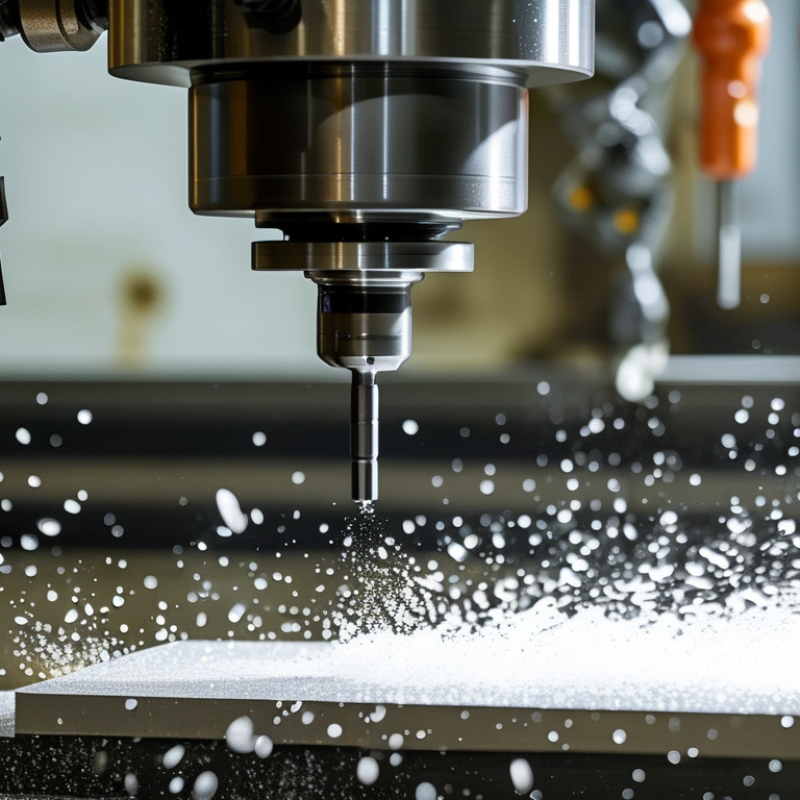
Advantages of Machining Centers Over Manual Milling
Machining centers offer significant advantages over manual milling. One major benefit is the increased efficiency they provide. According to industry reports, machining centers can improve production rates by as much as 80% compared to traditional manual methods. This is especially crucial for projects that require high precision and repeatability, as machining centers minimize human error.
Another key advantage is versatility. Modern machining centers can handle a wide range of materials, from aluminum to tougher alloys. They can also perform multiple operations, such as milling, drilling, and even tapping, all within a single setup. This drastically reduces setup times and allows for quicker project turnarounds. A study by the National Institute of Standards and Technology indicates that companies using CNC machining centers report a 44% reduction in production time, highlighting the efficiency of this technology.
However, it’s important to recognize the initial investment required for machining centers. Their cost can be a barrier for smaller shops. Plus, the learning curve for operators can be steep. Some companies may struggle with integrating this advanced technology effectively. Balancing these challenges with the potential for increased productivity is essential for a successful transition.
Why Choose a Machining Center Over Manual Milling for Your Projects
| Feature |
Machining Center |
Manual Milling |
| Precision |
High (±0.01 mm) |
Moderate (±0.1 mm) |
| Production Speed |
Fast (up to 1000 mm/min) |
Slow (up to 300 mm/min) |
| Setup Time |
Low (automated) |
High (manual adjustments) |
| Complexity of Parts |
Supports complex geometries |
Limited to simpler shapes |
| User Skill Level Required |
Lower (programmed) |
Higher (manual operation) |
| Cost Efficiency for High Volume |
High |
Low |
Precision and Consistency in Machining Processes
In manufacturing, precision and consistency are critical. Machining centers excel in delivering both. Reports show that machining centers can achieve tolerances of ±0.001 inches, while manual milling often falls within ±0.005 inches. This level of precision is vital for industries like aerospace and automotive, where even a slight deviation can lead to catastrophic failures.
Machining centers automate the process. They minimize human error and enhance repeatability. A study by the Manufacturing Institute noted that companies utilizing CNC machining centers saw a 30% reduction in production time and a significant drop in scrap rates. This consistent quality becomes a competitive advantage, allowing businesses to meet stringent regulations and standards.
**Tips:**
Consider investing in training for staff. Understanding the intricacies of machining operations can further improve results. Embrace data monitoring to track performance and inconsistencies. It can reveal potential areas for improvement. Be aware that initial setup costs may be higher. However, the long-term savings in material and labor make machining centers a sound investment.
Why Choose a Machining Center Over Manual Milling for Your Projects
This chart illustrates the comparison between a machining center and manual milling based on five key factors: Precision, Speed, Flexibility, Consistency, and Cost-Effectiveness. The data clearly shows the advantages of using a machining center for your projects, especially in terms of precision and consistency.
Increased Efficiency and Reduced Labor Costs
Choosing a machining center over manual milling can greatly enhance efficiency. Machining centers automate processes, minimizing the need for manual intervention. This automation translates into reduced labor costs, which many businesses prioritize. When tasks can be completed with precision and speed, overall production improves.
Tips for maximizing efficiency: Review the project specifications carefully. Understanding the exact requirements helps in selecting the right tooling and settings.
Additionally, training operators on best practices with machining centers can lead to fewer errors. A well-trained team utilizes the equipment most effectively, maximizing output and minimizing waste.
Even with advanced technology, challenges can arise. The initial setup might take longer than anticipated, particularly for complex parts. Regular maintenance cannot be overlooked, as wear and tear can affect performance. Reflecting on these factors can provide insights into process improvements for future projects. Emphasizing a balance between technology and skilled labor is key to sustained success.
Versatility of Machining Centers for Various Projects
Machining centers are transforming how projects are executed in various industries. These versatile machines can handle complex tasks, from milling to drilling and tapping, all within a single setup. According to a recent report by the Association for Manufacturing Technology, machining centers can enhance productivity by up to 30% compared to traditional manual milling. Projects that demand precision benefit significantly from this technology.
Efficiency is another key advantage. Machining centers reduce manual labor requirements and minimize human error. They can operate continuously, increasing output while maintaining consistent quality. A study by the National Institute of Standards and Technology indicates that these centers improve cycle times by over 25%. This speed is essential for meeting tight project deadlines without sacrificing quality.
Tip: When transitioning to a machining center, consider investing in operator training. Skilled operators maximize the machine's potential.
However, transitioning to such technology isn't without challenges. The upfront costs can be substantial. Moreover, companies must adapt their workflows to integrate these advanced solutions. It's crucial to analyze whether the investment aligns with project demands and long-term goals.
Tip: Evaluate project requirements carefully. Always consider the types of materials and part complexity before deciding on a machining method.
Technological Advancements in CNC Machining Compared to Manual Milling
CNC machining represents a significant leap in technology compared to manual milling. With CNC, precision is paramount. Parts can be produced with a tolerance of just a few microns. This level of accuracy is hard to achieve manually, even by skilled operators. Moreover, the ability to input complex designs directly into the machine allows for intricate shapes and details that would be nearly impossible with traditional methods.
Additionally, CNC machines operate autonomously. Once programmed, they can run for hours without human intervention. This automation boosts productivity and reduces labor costs. In contrast, manual milling requires constant attention and adjustment, often leading to mistakes. These errors can incur additional costs and time delays. It's also worth noting that not all operators can consistently produce high-quality work, and human error can be a significant factor in project timelines.
Technological advancements also enhance the versatility of machining centers. They can handle a wide range of materials, from metals to plastics. While manual machines are often limited to specific tasks, CNC machines can easily switch from milling to drilling to grinding. This adaptability makes them a preferred choice for many modern manufacturing workshops. However, the initial investment in CNC technology can be daunting for some businesses. It requires careful consideration to ensure it aligns with project goals.
FAQS
: Machining centers automate processes, reducing the need for manual intervention and increasing production speed.
Review project specifications carefully to choose the right tooling and settings.
Well-trained operators make fewer errors and maximize output while minimizing waste.
Initial setup may take longer for complex parts, and regular maintenance is essential for optimal performance.
They can enhance productivity by up to 30% compared to traditional manual milling.
Continuous operation increases output and maintains consistent quality, essential for tight deadlines.
Yes, the initial investment can be substantial and should be weighed against long-term goals.
Companies must integrate advanced solutions into their processes to accommodate these technologies effectively.
Consider project demands, material types, and complexity of parts before making a decision.
Yes, relying solely on technology may overlook the importance of skilled labor for sustained success.
Conclusion
Choosing a machining center over manual milling is a strategic decision that can greatly enhance project outcomes. One of the primary reasons why use a machining center instead of manual milling is the precision and consistency it offers in machining processes. With advanced technology, machining centers provide higher accuracy and repeatability, ensuring that each component produced meets stringent specifications.
Moreover, machining centers significantly increase efficiency and reduce labor costs, enabling faster production times while minimizing human error. Their versatility allows them to handle a diverse range of projects, adapting to different materials and designs with ease. As technological advancements in CNC machining continue to evolve, they further outpace manual milling in capabilities and productivity, making machining centers the preferred option for modern manufacturing.
 TitanPro Cutting
