When exploring stone fabrication, many professionals ask, "what is the difference between bridge saw and CNC router?" According to expert James Thompson, "Understanding these differences is crucial for efficiency and precision in manufacturing."
Bridge saws excel in straight cuts on large slabs. They use a fixed blade and are ideal for simple jobs. On the other hand, CNC routers offer versatility. They can handle complex designs, engravings, and intricate shapes. This difference significantly affects production time and quality.
Choosing the right tool impacts both workflow and final product. For some, the decision may seem straightforward. However, it requires careful consideration of the specific project needs. Manufacturers must weigh the pros and cons before investing in either tool. Each machine has its strengths and weaknesses, which can influence their overall effectiveness in a workshop setting. Understanding this distinction will ultimately enhance production and design capabilities.
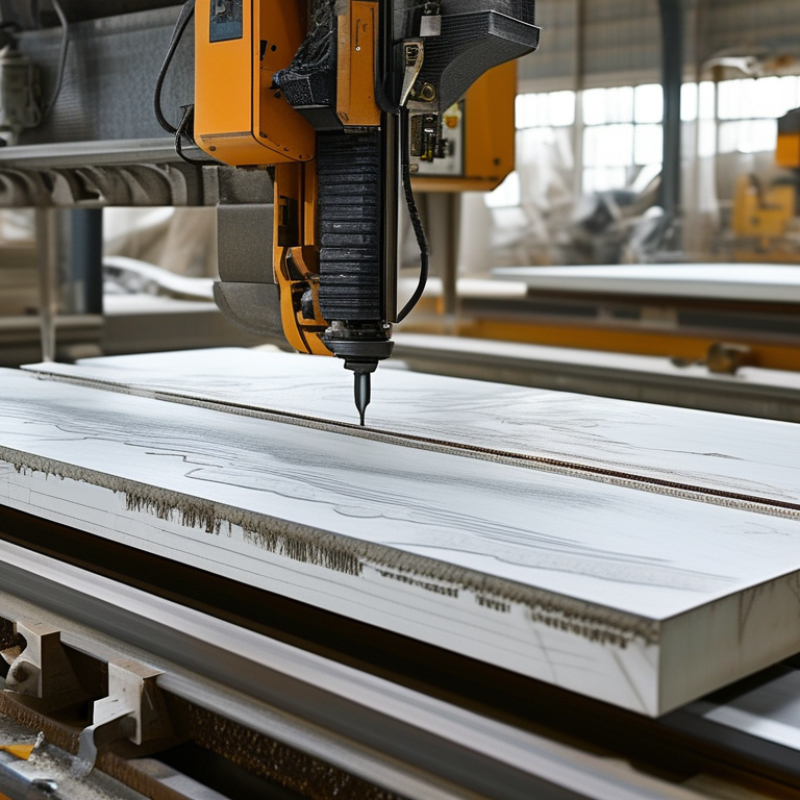
Bridge Saw Overview: Features and Applications in Stone Cutting
Bridge saws are essential in the stone cutting industry, offering precision and efficiency. These machines are designed for heavy-duty tasks, capable of handling large slabs of stone. They utilize diamond blades, enabling clean cuts and reducing waste. According to a report by Research and Markets, the global stone processing machines market is projected to reach $8 billion by 2025, emphasizing the demand for such technologies.
The applications of bridge saws are diverse. They are widely used in granite, marble, and engineered stone cutting. Their ability to operate with various angles enhances creativity in design. However, the initial investment in bridge saw technology can be high. Many users find it challenging to optimize the machine's capabilities fully. Training personnel effectively on such equipment is vital but often overlooked.
While bridge saws excel in heavy materials, there are limitations. They may struggle with highly intricate designs compared to CNC routers. Users often debate the best investment strategy. The need for maintenance can also be a concern. Proper care prolongs lifespan, yet it demands time and resources. Balancing these factors is crucial in making informed decisions in the stone cutting sector.
CNC Router Insights: Versatility and Precision in Material Processing
CNC routers have revolutionized material processing with their versatility and precision. They can work on various materials, including wood, metal, and plastics. This broad capability allows for intricate designs that meet the demands of different industries. Whether creating furniture or signage, CNC routers offer the flexibility to achieve various shapes and textures.
Precision is a hallmark of CNC routers. They follow computer-generated designs with extraordinary accuracy. This level of detail eliminates the discrepancies often found in manual cutting. However, using CNC routers requires a solid understanding of design software and programming. Mistakes in these areas can lead to misaligned cuts and wasted materials. The learning curve can be steep for beginners, highlighting the importance of ongoing education in this field.
While CNC routers provide numerous advantages, they are not without challenges. Maintenance is crucial, as wear and tear can affect performance. Regular calibration ensures that machines operate at peak efficiency. Additionally, the initial investment in CNC technology can be significant, which may deter some small businesses. But with the right knowledge and dedication, mastering CNC technology can lead to exceptional results.
Key Performance Metrics: Speed and Accuracy Comparison
When evaluating the performance of a Bridge Saw and a CNC Router,
speed and accuracy are essential metrics.
Bridge Saws excel in cutting hard materials like stone.
They offer impressive speed, particularly for large, straight cuts. However, their versatility is somewhat limited.
They struggle with intricate designs compared to CNC Routers.
The speed advantage may come at the cost of precision in detailed work.
CNC Routers, on the other hand, shine in accuracy.
They can execute complex shapes and fine details with ease.
This precision allows for intricate designs that a Bridge Saw cannot achieve.
Nevertheless, the trade-off is that CNC Routers typically operate at a slower pace.
The need for setup time and programming can be a bottleneck.
While both machines have their merits, the choice depends on specific project requirements.
Designers must consider their priorities. Speed or precision?
The answer often leads to further reflection on the intended application and desired outcomes.
There isn’t a one-size-fits-all solution; each tool has its strengths and weaknesses that deserve attention.
Cost Analysis: Initial Investment vs. Long-term Production Efficiency
When considering a Bridge Saw versus a CNC Router, the cost analysis reveals significant differences. The initial investment for a CNC Router is typically higher than that of a Bridge Saw. This upfront cost often deters businesses with limited budgets. However, this analysis must also consider long-term production efficiency. CNC Routers offer versatility and precision that can reduce waste and production time.
While a Bridge Saw excels in cutting large slabs, its functionality is somewhat limited. CNC Routers can handle complex shapes and designs, providing greater flexibility. This capability often translates to higher productivity in the long run. Companies may face higher costs upfront but can often recoup those expenses through better efficiency.
It’s essential to assess your specific needs. A Bridge Saw can be more economical for straightforward projects. However, if your business requires intricate patterns, a CNC Router might be the better choice. Making this decision requires careful thought about both immediate expenses and future production goals. The right investment should align with your business strategy and capacity, ensuring optimal returns over time.
Bridge Saw vs CNC Router: Key Differences in Cost Analysis
Industry Trends: Adoption Rates and Technological Advancements
The adoption of CNC routers and bridge saws is changing the manufacturing landscape. Recent reports indicate that around 45% of stone fabrication shops are now integrating CNC technology. This shift is driven by the need for precision and efficiency. CNC routers provide advanced capabilities in cutting complex shapes and designs, which can lead to reduced material waste. In contrast, bridge saws remain popular for their ability to handle large slabs quickly.
Technological advancements are accelerating adoption rates. Automated systems in CNC machinery now offer real-time data analytics, improving productivity. Meanwhile, bridge saw manufacturers are enhancing their machines with features like dust reduction and improved cutting speed. A recent industry survey found that companies using CNC routers reported a 30% increase in production efficiency. Despite these advantages, barriers such as initial investment costs still exist.
Tip: Consider the long-term benefits of investing in CNC technology. While upfront costs can be high, the return on investment may justify the expenditure. Evaluate your shop's specific needs before making a decision. Analyze how the latest features can impact your workflows positively. Staying informed about trends fosters better strategic planning.
FAQS
: CNC routers can process wood, metal, and plastics, allowing for versatile applications.
CNC routers follow designs with high accuracy, reducing errors from manual cutting.
Users need solid design software knowledge and programming skills to avoid costly mistakes.
Maintenance is key, as wear can affect performance, and calibration is essential for efficient operation.
CNC routers excel in accuracy, while Bridge Saws are faster but less versatile in intricate designs.
Consider project requirements like speed or precision to determine the most suitable tool.
The initial investment cost can be significant, making it a challenge for some small operations.
Yes, beginners might struggle with design and programming, requiring ongoing education to improve skills.
Yes, maintenance is vital, as neglect can lead to performance issues and misaligned cuts.
Yes, they can execute complex shapes and detailed work, which is difficult for other machines.
Conclusion
When exploring what is the difference between bridge saw and CNC router, it is essential to understand their unique features and applications. Bridge saws are primarily used in the stone cutting industry, excelling in tasks that require high precision for thick materials, while CNC routers are known for their versatility across various materials, including wood, plastic, and metal, making them suitable for diverse applications.
In comparing performance metrics, bridge saws typically offer faster cutting speeds for large stone slabs, while CNC routers provide superior accuracy and detail, essential for intricate designs. Cost analysis shows that although bridge saws may have a lower initial investment, CNC routers can lead to greater long-term production efficiency due to their adaptability and broader range of capabilities. As industry trends evolve, understanding these differences becomes crucial for businesses looking to invest in cutting technology that meets their production needs.
 TitanPro Cutting
