TitanPro Cutting TitanPro Cutting

10 Best Ways to Reduce Dust and Debris in a Woodworking Shop?

Time:2026-10-11 Author:Charlotte
0%

A clean woodworking shop begins with controlling dust before it spreads across every surface. Fine particles can settle on tool beds, hide inside filter pleats, and float unnoticed near breathing height. This guide explores how to reduce dust and debris in a woodworking shop through practical, layered controls. These methods include source capture, suitable extraction, improved airflow, careful cleanup, and safer work habits. Each recommendation reflects common workshop experience and established dust-control principles.

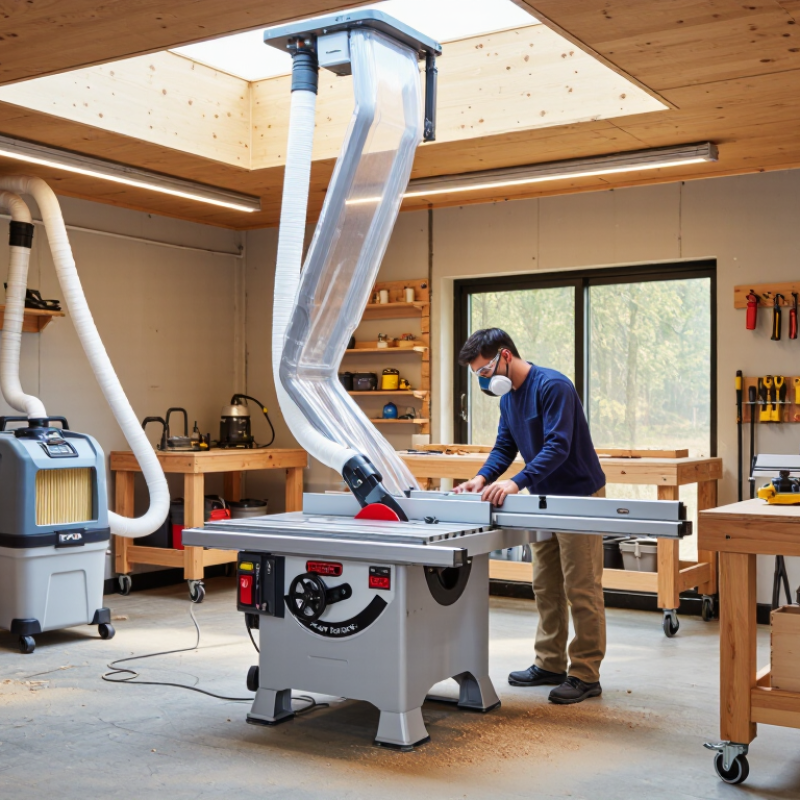
Bill Pentz, a recognized dust-collection specialist, warns, “The dust that causes the most health problems is the dust you cannot see.” That invisible haze may remain after sweeping, especially around table saws, routers, sanders, and planers. A properly positioned hood can capture chips at the cutting point. A sealed hose connection can prevent leaks. A high-efficiency filter can reduce what returns to the room. Small details matter.

However, no dust system works perfectly. That is worth admitting. A powerful collector cannot compensate for an open machine port or neglected filter. Even a tidy floor may hide fine dust on ledges and rafters. The upcoming ten methods focus on realistic improvements rather than expensive promises. Some require equipment changes. Others involve simple routines, such as checking airflow, emptying collection bins outdoors, and vacuuming instead of dry sweeping. The goal is not a spotless showroom. It is a safer, more controlled workspace where dust has fewer chances to reach your lungs, tools, and finished projects.

10 Best Ways to Reduce Dust and Debris in a Woodworking Shop?

Assess Exposure: OSHA Limits Wood Dust to 15 mg/m³ Total and 5 mg/m³ Respirable

Wood dust control starts with measurement, not guesswork. OSHA’s Table Z-1 sets an 8-hour permissible exposure limit of 15 mg/m³ for total wood dust and 5 mg/m³ for the respirable fraction. These limits are not targets for comfort. They are legal exposure boundaries. Fine particles can settle deep in the lungs, while larger debris accumulates on floors, ledges, and machinery.

A practical control plan uses ten habits: enclose cutting areas, capture dust at the blade, inspect hoses, seal leaks, maintain filters, keep doors closed, reduce sweeping, use vacuum cleaning, remove waste promptly, and check airflow regularly. NIOSH’s wood-dust criteria report recommends much tighter control, around 1 mg/m³ as an occupational exposure guideline. That difference deserves attention. Meeting OSHA’s limit may still leave a visibly dusty shop. Air monitoring is the honest test, especially after sanding, routing, or emptying collection bins.

Tips: Keep a small inspection light near the workbench. Shine it across the air after sanding. A bright beam can reveal floating dust that normal lighting hides. Never use compressed air to clean clothing, machines, or floors; it redistributes fine particles. Use a vacuum rated for fine dust and verify its filter condition. Seal gaps with care. I have seen well-designed systems underperform because one loose hose connection quietly weakened capture at every tool. Recheck the system after moving equipment or changing ductwork. OSHA 29 CFR 1910.1000 and NIOSH exposure guidance provide the technical reference points.

10 Best Ways to Reduce Dust and Debris in a Woodworking Shop

OSHA Wood-Dust Exposure Limits

OSHA’s 8-hour time-weighted exposure limits are 15 mg/m³ for total dust and 5 mg/m³ for the respirable fraction. Effective dust control should keep airborne concentrations below these limits by combining local exhaust ventilation, machine guards, routine cleanup, and suitable respiratory protection.

Source: OSHA Table Z-1, Permissible Exposure Limits for Air Contaminants. Values shown in milligrams per cubic meter of air (mg/m³).

Capture Dust at the Source: NIOSH Sets a 1 mg/m³ TWA Exposure Goal

Reducing dust begins before it reaches your breathing zone. NIOSH sets a 1 mg/m³ time-weighted average exposure goal for wood dust over an eight-hour workday. That target changes how a shop should be organized. Capture dust at the source, not after it spreads across benches and floors.

Place a close-fitting hood near each cutting or sanding point. Keep flexible hoses short, smooth, and free from sharp bends. Inspect airflow regularly, because a powerful collector can still perform poorly at the tool. Enclose machines where practical, and use guards that direct chips toward the capture opening.

A properly fitted respirator can add protection, but it should not replace ventilation and source control. Seal unused duct openings. Empty collection containers carefully. Wear eye protection.

I used to sweep the floor at the end of the day. It looked tidy, but the broom lifted a pale cloud into the light. A vacuum designed for fine dust works better, especially around corners and beneath machinery. Wet cleaning can also reduce airborne particles when the surface allows it. Avoid compressed air for benches, clothing, and filters. It redistributes dust instead of removing it.

Measure exposure when possible, using qualified industrial hygiene support. A visible shop is not necessarily a safe shop. Fine particles may remain suspended after larger shavings disappear.

Check filters, belts, seals, and airflow gauges on a written schedule. Small leaks matter. I still find missed dust behind equipment, which is why a practical inspection should include areas people rarely notice.

Design Ductwork Correctly: NFPA 664 Guides Safe Wood-Dust Conveyance

Reducing dust starts with correctly designed ductwork. NFPA 664 provides guidance for conveying combustible wood dust safely in woodworking facilities. A qualified designer should review airflow, duct diameter, pickup points, and the dust collector location. Poorly sized ducts can lose suction, leave debris behind, and increase fire risks.

Tips: Keep duct runs short and direct. Use smooth bends instead of sharp elbows. Seal joints carefully. Bond and ground conductive components where required. Provide suitable explosion protection, isolation, and pressure-relief measures through a competent professional. Check the latest NFPA 664 edition and local requirements before installation.

In daily use, inspect hoods, access doors, and flexible connections for leaks. A small gap near a saw can spread fine dust across shelves and motor housings. Avoid dead-end branches where material can settle. One overlooked detail is cleaning frequency. Even well-designed ductwork cannot remove dust from every surface. I have found that operators often focus on suction and forget maintenance records. That assumption deserves review. An airflow test after installation can reveal weak pickup points before dust becomes a larger hazard.

Filter Fine Particles: HEPA Captures 99.97% of Particles at 0.3 Microns

Fine wood dust is easy to underestimate. It can remain suspended after visible chips disappear. A HEPA filter adds a critical layer of protection for airborne particles. Under standardized testing, HEPA filtration captures at least 99.97% of particles measuring 0.3 microns. This size is difficult to capture, so the rating provides a useful performance benchmark. However, it describes the filter, not the entire dust collection system. Seal gaps carefully.

I have seen dust escape through loose gaskets, cracked hoses, and poorly fitted covers. A properly installed HEPA unit should sit close to the dust source. Check the filter seal before each demanding project. Inspect clamps, connections, and airflow regularly. Replace or clean the filter according to its instructions. A clogged filter can reduce suction and increase leakage risk. Do not shake it indoors.

HEPA filtration works best with source capture. Connect extraction equipment directly to saws, sanders, and routers. Use a fine-dust vacuum for benches and floors instead of dry sweeping. My own early mistake was trusting a clean-looking workbench. Dust had collected behind the machine and under the cabinet. It was not visible from standing height. Keep a simple maintenance log, and watch for falling airflow or unusual dust around the unit. Not perfect. Still worthwhile.

10 Best Ways to Reduce Dust and Debris in a Woodworking Shop? - Filter Fine Particles: HEPA Captures 99.97% of Particles at 0.3 Microns
No. Dust-Control Method Main Target Useful Data Point Recommended Practice Maintenance or Safety Note
1 Capture Dust at the Tool Coarse chips and airborne dust released at the cutting point Use a properly sized dust-collection hose and keep the pickup point as close as practical to the blade, bit, or cutter. Connect the tool to a dedicated dust port whenever possible. Seal gaps around guards and collection fittings. Source capture is generally more effective than trying to remove dust after it spreads through the room.
2 Use a Dedicated Dust Collector Large volumes of chips and heavier wood dust Small portable tools commonly use approximately 100–200 cubic feet per minute (CFM); larger stationary tools often require several hundred CFM or more, depending on the tool and ducting. Follow the tool manufacturer’s airflow requirement and use the shortest practical hose or duct route. Airflow at the tool can be substantially lower than the collector’s advertised free-air rating because of hose, filter, and duct resistance.
3 Install a HEPA Air Cleaner Fine suspended particles that remain after source collection A true HEPA filter is rated to capture at least 99.97% of particles at 0.3 microns under the applicable test conditions. Choose a unit with a sealed filter path and operate it during dusty work and for a suitable period afterward. A HEPA filter cleans recirculated air; it does not replace local exhaust at the tool or outdoor ventilation where appropriate.
4 Use a Cyclone or Pre-Separator Heavy chips and larger particles before they reach the final filter A pre-separator can collect a substantial portion of larger debris before filtration, reducing the load on the main filter. Place the separator between the tool and the dust collector and use a container with a secure lid and reliable seals. Inspect hoses and connections for leaks; a separator is not a substitute for a fine-particle filter.
5 Keep Filters Clean and Sealed Reduced airflow and fine dust bypass caused by clogged or damaged filters A loaded filter increases resistance and can reduce airflow, even when the motor is operating normally. Monitor airflow, clean filters according to the instructions, and replace filters that are torn, deformed, or no longer sealing correctly. Do not use compressed air indoors to clean a dusty filter unless the process is contained and suitable respiratory protection is used.
6 Seal Ducts, Hoses, and Collection Bags Leaks that release dust and reduce collection performance Even small leaks can lower the negative pressure available at the tool and allow dust to escape before filtration. Check joints, blast gates, access panels, and collection bags. Use compatible seals and keep unused branches closed. Avoid sharp bends and unnecessary hose length because both increase airflow resistance.
7 Clean Floors with a Suitable Vacuum Settled dust, chips, and debris on floors and work surfaces Vacuuming removes settled material without intentionally re-suspending as much dust as dry sweeping. Use a vacuum designed for fine dust, work from clean areas toward the exit, and vacuum benches after cutting or sanding. Do not use compressed air or a household broom to blow or sweep fine wood dust into the breathing zone.
8 Control Sanding Dust Very fine particles generated during hand and power sanding Random-orbit sanders with integral dust ports should be connected to a suitable vacuum; abrasive dust can remain airborne after visible dust settles. Use dust-extraction holes in the abrasive, keep the sanding pad clean, and select the correct hose adapter. Wear a properly fitted particulate respirator when exposure cannot be adequately controlled by engineering measures.
9 Improve Shop Airflow and Ventilation Residual airborne dust and stagnant zones Air movement should carry contaminated air toward a filtration or exhaust point without blowing dust across the operator’s breathing zone. Place air cleaners so they promote circulation rather than short-circuiting clean air directly back into the intake. Outdoor exhaust must comply with local building, fire, and environmental requirements; never exhaust hazardous dust into occupied areas.
10 Use Safe Work Practices and PPE Personal exposure that remains after engineering controls Wood dust exposure can occur during cutting, sanding, cleanup, and filter changes, not only while a machine is running. Keep doors and lids closed, remove dust promptly, avoid eating in the work area, and wear suitable eye and respiratory protection. Wood dust is combustible; prevent ignition sources and avoid creating suspended dust clouds during cleanup or maintenance.
Performance depends on tool design, airflow, filter loading, duct resistance, enclosure quality, room size, and work practices. HEPA efficiency is a filter-test rating and does not by itself describe the total efficiency of an entire dust-collection system.

Control Combustible Dust: NFPA 664 Requires Rigorous Housekeeping Practices

Wood dust is not merely a housekeeping nuisance. Fine particles can ignite, spread through connected equipment, and create dangerous pressure. NFPA 664 addresses fire and explosion prevention in woodworking facilities. Its housekeeping expectations are rigorous, not optional decoration. Local enforcement may depend on the adopted edition and the authority having jurisdiction.

A practical dust-control plan begins with source capture at each machine. Keep collection hoses short, sealed, and free from crushed sections. Use suitable vacuums for combustible dust. Do not create dust clouds with careless sweeping or routine compressed-air cleaning. Inspect rafters, light fixtures, cable trays, ducts, and machine interiors. Hidden dust matters.

Small details matter.

Set written cleaning intervals according to production volume and dust buildup. Assign responsibility, then record inspections and corrective actions. Remove waste from collection areas before containers become overfilled. Keep ignition sources away from accumulated dust, including hot work, damaged wiring, and overheated equipment. Train workers to report unusual odors, vibration, heat, or blocked airflow.

A clean floor can mislead you. The real problem may be above it.

Perfect housekeeping is difficult during busy production days. That is why visual checks alone are weak. Supervisors should verify concealed areas and review failed controls without blaming workers. Some shops clean often but still miss dust inside ducts or behind machinery. A qualified fire-protection professional can help interpret NFPA 664 requirements for the facility’s hazards and equipment.

FAQS

Why is correct ductwork design important in woodworking facilities?

Proper ductwork maintains suction and removes dust efficiently. Poor sizing can leave debris behind and increase fire risks.

How should dust-collection ducts be arranged?

Keep duct runs short and direct. Use smooth bends, sealed joints, and avoid dead-end branches where dust can settle.

What should be checked before installing a dust-collection system?

A qualified designer should review airflow, duct diameter, pickup points, and collector location. Local requirements also need review.

How effective is a high-efficiency particulate filter?

Under standardized testing, it captures at least 99.97% of particles measuring 0.3 microns. This rating describes the filter, not the entire system.

Where should fine-dust filtration equipment be installed?

Place it close to the dust source. Connect extraction directly to saws, sanders, and routers whenever practical.

How can workers prevent filter leakage and reduced suction?

Inspect gaskets, clamps, hoses, and covers regularly. Replace or clean filters according to instructions. A clogged filter can cause problems.

What housekeeping practices help control combustible wood dust?

Set written cleaning intervals based on production and dust buildup. Inspect rafters, light fixtures, cable trays, ducts, and machine interiors.

Why is dry sweeping or compressed-air cleaning discouraged?

These methods can create airborne dust clouds. Use a suitable fine-dust vacuum for benches and floors instead.

What warning signs should workers report?

Report unusual odors, vibration, heat, falling airflow, blocked ducts, or dust near equipment. Small gaps can spread dust widely.

Are visual floor checks enough for dust control?

No. Dust may hide behind machines, inside ducts, or above ceilings. A clean floor can mislead you. Regular records still help.

Conclusion

Reducing dust and debris is essential for a safer, cleaner, and more efficient woodworking shop. Learning how to reduce dust and debris in a woodworking shop begins with assessing exposure: total wood dust should remain below 15 mg/m³, while respirable dust should stay below 5 mg/m³. Dust collection should start at the source, capturing particles near saws, sanders, and other machines, with a long-term exposure goal of 1 mg/m³ over an eight-hour period.

Effective ductwork design is also important for maintaining proper airflow and safely conveying wood dust. Fine particles require high-efficiency filtration capable of capturing 99.97% of particles measuring 0.3 microns. Finally, combustible dust must be controlled through regular housekeeping, prompt cleanup, and careful management of dust accumulation. Together, source capture, correct airflow, efficient filtration, exposure monitoring, and disciplined cleaning create a healthier and more productive woodworking environment.

Charlotte

Charlotte

Charlotte is a seasoned marketing professional with a deep understanding of the company's portfolio and a passion for elevating its presence in the market. With a keen eye for detail and a commitment to excellence, she ensures that our professional blog is regularly updated with insightful articles......