The advent of technology has transformed various industries, including stone processing. One noteworthy innovation is the integrated bridge cutting machine. These machines streamline the cutting process while enhancing efficiency. So, what are the benefits of integrated bridge cutting machines?
These advanced tools offer precise cuts, reducing material waste. They also improve productivity by allowing for faster operations. Additionally, they require less manual intervention, which means fewer labor costs. This can be a game-changer for businesses aiming to optimize their workflow.
Despite these advantages, some users may find the initial investment daunting. The complexity of operation can also pose challenges for inexperienced personnel. However, with the right training and knowledge, these machines can greatly benefit companies in the long run. Embracing such technology may require a shift in mindset, but the potential rewards cannot be overlooked.
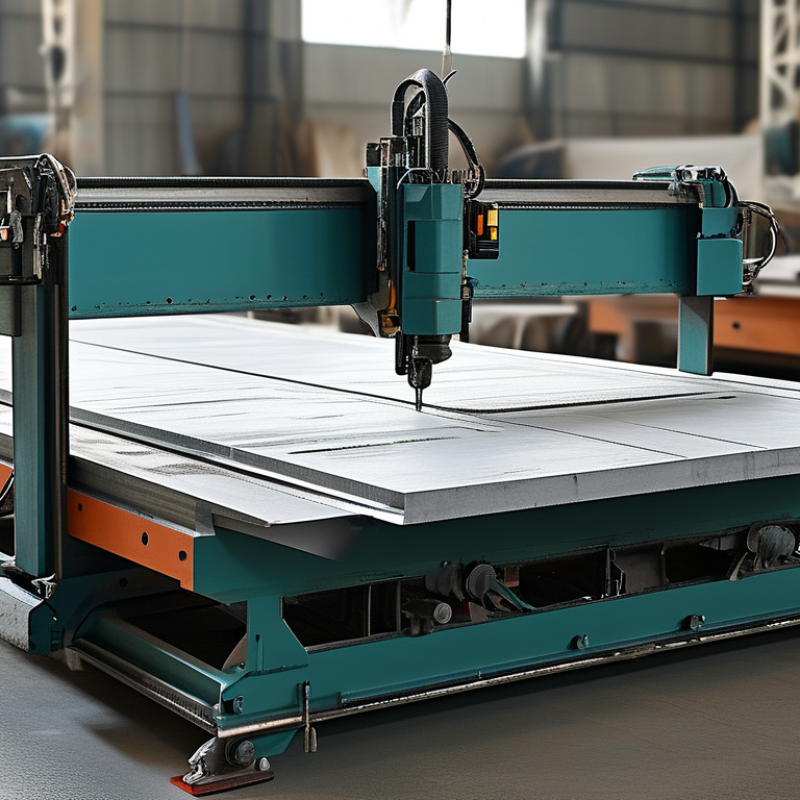
Top 5 Benefits of Integrated Bridge Cutting Machines
Integrated Bridge Cutting Machines offer significant advantages for various industries, particularly in stone and construction. One major benefit is their precision. According to a report by the International Journal of Advanced Manufacturing Technology, these machines increase cutting accuracy by up to 30%. This precision reduces material waste and enhances overall efficiency.
Efficiency is another key factor. Integrated systems streamline workflows. They minimize manual labor, saving both time and operational costs. Studies show that companies using advanced cutting technology can improve productivity by nearly 20%. However, the initial investment can be daunting for small businesses. With proper planning, these costs can be offset by long-term savings.
Moreover, safety is paramount in the industrial sector. Integrated Bridge Cutting Machines often come with advanced safety features. These include automated shut-offs and protective guards. A survey from OSHA highlights that equipment upgrades can reduce workplace accidents by over 40%. Despite these advancements, ongoing training for operators remains a challenge. A lack of proper training may lead to machine misuse and reduce safety benefits. This reflects a need for continuous improvement and investment in skills development.
Enhanced Precision and Accuracy in Material Cutting
Integrated bridge cutting machines transform the cutting process with enhanced precision and accuracy. These advanced systems utilize sophisticated technology to ensure each cut meets exact specifications. The integration of various cutting tools in one bridge design reduces the margin for human error, leading to cleaner cuts and less material waste.
When considering the implementation of these machines, it's essential to invest time in training. Skilled operators can significantly improve output quality. Regular maintenance also plays a crucial role in maintaining cutting accuracy. A poorly maintained machine can lead to inconsistent results, so it's vital to establish a routine schedule.
Testing different materials will help identify the optimal settings for each type. Sometimes, adjustments can lead to unexpected challenges. Reflecting on the outcomes of each job allows for continuous improvement. Don't shy away from documenting these experiences; they are invaluable learning opportunities. These steps contribute to the overall effectiveness of your cutting operations and ensure high-quality results consistently.
Reduced Operational Costs through Automation and Efficiency
Integrated bridge cutting machines are transforming the manufacturing landscape, particularly regarding costs. Automation enhances precision in cutting processes, reducing material waste significantly. A recent industry report indicates that companies can save up to 30% on operational costs by implementing these machines. Enhanced efficiency not only lowers costs but also boosts productivity. Workers can focus on more value-added tasks while machines handle repetitive cutting operations seamlessly.
While the benefits are evident, it's crucial to note that transitioning to automated systems can come with challenges. Training staff adequately to operate sophisticated machinery can be time-consuming. Companies should invest time in developing training programs to ensure employees are confident and competent. Providing hands-on experience can ease the transition.
Tip: Regular maintenance of integrated bridge cutting machines leads to longer lifespan and less downtime. Monitoring machine performance can prevent costly breakdowns and ensure consistent output quality. Aim to establish a routine inspection schedule to keep operations running smoothly. Embracing these strategies can lead to more reliable productivity.
Improved Safety Features Leading to Fewer Workplace Accidents
Integrated bridge cutting machines are revolutionizing workplace safety in manufacturing. The advanced design incorporates improved safety features that reduce the risk of accidents. According to a report from the Occupational Safety and Health Administration (OSHA), workplaces utilizing modern equipment saw a 30% decrease in accidents over five years. These machines often include emergency stop buttons and safety shields, ensuring operator protection during operation.
Training also plays a crucial role in enhancing safety. Operators who undergo specialized training with integrated machines report a significant understanding of safety protocols. A study from the National Safety Council found that workplaces with rigorous training programs can achieve up to 50% fewer incidents. However, not all companies prioritize this training. The integration of technology cannot replace the need for skilled personnel to manage these systems safely.
The enhanced visibility and automation in these machines reduce the cognitive load on workers. Yet, reliance on automation can create overconfidence, leading to negligence. Continuous monitoring and feedback during operation are essential to keep workers engaged with safety practices. A transparent safety culture is vital for the long-term benefits of integrated bridge cutting machines.
Increased Production Speed Compared to Traditional Cutting Methods
Integrated bridge cutting machines offer significant advantages over traditional cutting methods, particularly in terms of production speed. These machines leverage advanced technology to streamline operations, leading to quicker turnaround times. The ability to cut materials with precision and speed allows manufacturers to meet tight deadlines efficiently.
The automation in integrated bridge cutting machines reduces manual intervention. This decrease in human labor not only speeds up the process but also minimizes the risk of errors. Operators can focus on other critical tasks. However, it is essential to acknowledge that while these machines enhance productivity, they require skilled personnel for optimal performance. Training workers is vital to ensure the equipment operates smoothly.
Moreover, the setup time for integrated machines is often shorter. This allows for rapid switching between different projects. Nevertheless, potential issues like software glitches can arise, impacting overall efficiency. Maintaining a balance between technology and human oversight remains crucial. Embracing these machines means adapting to new workflows and challenges in the production environment.
Top 5 Benefits of Integrated Bridge Cutting Machines
| Benefit |
Description |
Increased Production Speed (%) |
| Higher Efficiency |
Integrated machines streamline operations, reducing idle time. |
30% |
| Reduced Material Waste |
Precision cutting minimizes leftover materials, saving costs. |
20% |
| Improved Cut Quality |
Consistent and high-quality cuts enhance final product quality. |
25% |
| Versatile Applications |
Ability to cut various materials broadens production capabilities. |
15% |
| Lower Labor Costs |
Automation reduces the need for manual labor, cutting expenses. |
10% |
Versatility in Application for Various Materials and Industries
Integrated bridge cutting machines are revolutionizing various industries. Their versatility is a game-changer for applications across materials like stone, metal, and glass. These machines adapt easily to many cutting requirements, which saves time and boosts efficiency. They can handle intricate designs and large-scale production with equal finesse. This adaptability satisfies diverse operational needs.
Moreover, the performance of these machines is noteworthy, yet there are challenges. For instance, training staff to maximize their potential can require effort. Settings need calibration for different materials, which may lead to initial setbacks. However, the learning curve often results in operational excellence over time. The multifaceted nature of these machines also means they can handle projects of varying complexity, from unique artistic pieces to industrial-scale tasks.
Using integrated bridge cutting machines truly enhances production capabilities. Their ability to work across different materials and industries makes them indispensable. However, one should remain cautious of the necessary maintenance and skilled operations required. Emphasizing ongoing training and hands-on experience mitigates potential pitfalls. This emphasis on skill development reinforces the overall effectiveness of integrated bridge cutting machines.
FAQS
: They increase cutting accuracy by up to 30%, reducing material waste.
They streamline workflows, saving time and reducing operational costs.
They often have automated shut-offs and protective guards to enhance safety.
Some workplaces report a 30% reduction in accidents over five years.
Yes, specialized training improves safety and understanding of protocols significantly.
Overconfidence can lead to negligence and increased safety hazards.
Yes, long-term savings can offset the initial cost with proper planning.
Many do not prioritize training, risking the effectiveness of safety features.
They can reduce accidents but rely on skilled personnel for safe operation.
It keeps workers engaged and maintains adherence to safety practices.
Conclusion
Integrated bridge cutting machines offer numerous advantages that significantly enhance manufacturing processes. One of the primary benefits is the enhanced precision and accuracy in material cutting, ensuring high-quality results with minimal waste. Additionally, these machines contribute to reduced operational costs through increased automation and efficiency, allowing businesses to maximize their resources and lower labor expenses.
Safety is another critical consideration, as improved safety features lead to fewer workplace accidents, creating a better environment for workers. Moreover, integrated bridge cutting machines increase production speed compared to traditional methods, resulting in higher output. Their versatility allows for application across various materials and industries, making them an essential tool in modern manufacturing. In summary, when asking what are the benefits of integrated bridge cutting machines, it is clear that they encompass precision, efficiency, safety, speed, and versatility, all of which are vital for competitive businesses.
 TitanPro Cutting
