 TitanPro Cutting
TitanPro Cutting
TitanPro Cutting
When considering a CNC spindle motor, one crucial question arises: what is the average lifespan of a CNC spindle motor? This query is essential for buyers who want value and longevity in their investments. CNC spindle motors are vital for precision machining, impacting overall productivity and efficiency in a workshop. Depending on various factors, the lifespan can greatly vary.
Typically, factors like usage, maintenance, and environment play a significant role. A well-maintained spindle may last over 10,000 hours, while neglect could reduce that drastically. Buyers should consider these aspects to avoid premature failures. Investing in high-quality components and regular servicing is worth it. However, some users overlook maintenance schedules, leading to a shorter lifespan.
Understanding the average lifespan helps buyers make informed decisions. It also encourages reflection on personal usage habits and maintenance practices. In a competitive market, prioritizing longevity can lead to enhanced performance and reduced costs in the long run.
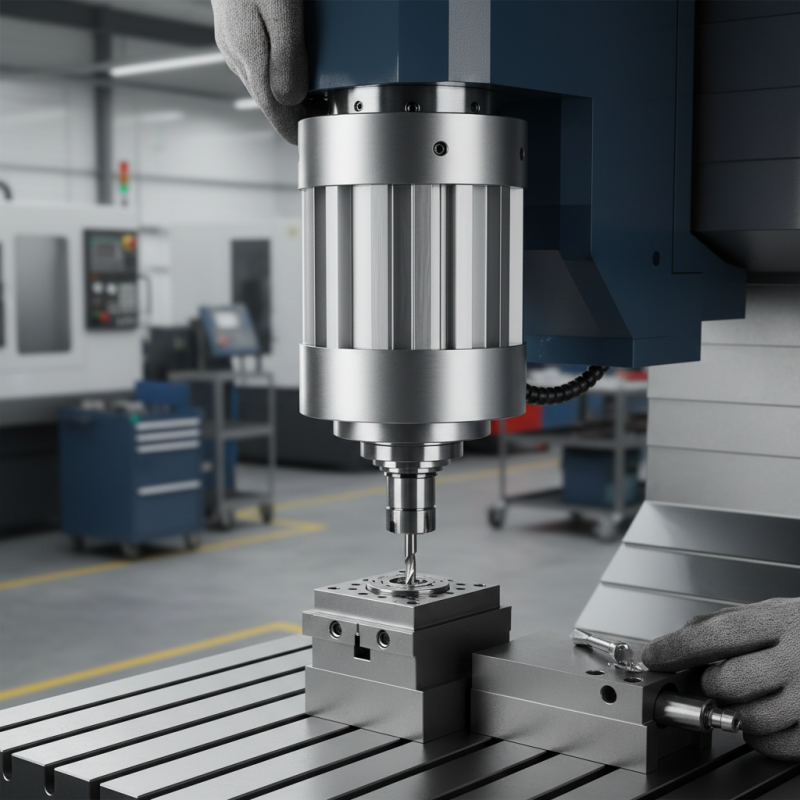
The average lifespan of a CNC spindle motor is influenced by several key factors. Most industry reports suggest that these motors typically last between 5,000 to 10,000 operating hours. However, this range can vary significantly based on maintenance practices, usage conditions, and design quality. Regular inspections and scheduled maintenance can extend the lifespan. In contrast, neglecting these can lead to premature failure.
Temperature is another crucial factor affecting durability. High operational temperatures can degrade components, reducing efficiency. Research indicates a correlation between ambient temperatures and motor lifespan. For instance, spindle motors running at higher than recommended temperatures can see a reduction in lifespan by up to 30%. Additionally, the type of workload and machining processes directly impact wear and tear. High-stress applications tend to shorten motor life, emphasizing the need for buyers to consider application suitability.
Moreover, proper alignment and installation are often overlooked. Misalignment can lead to excessive vibrations, which can cause damage over time. According to mechanical engineering studies, correct installation practices can add years to a CNC spindle motor’s life. Understanding these factors is crucial for buyers looking to maximize their investment in CNC machining.
: Overheating due to excessive load or poor cooling is a significant concern. Monitor temperature regularly.
Vibration from misalignment or worn bearings can decrease longevity. Regular checks on the spindle assembly are essential.
Insufficient lubrication can lead to premature wear. Ensure all moving parts are well-greased with quality lubricants.
Assess the RPM range and cooling system. A higher RPM offers finer precision and effective cooling extends motor life.
Innovations in materials like high-performance ceramics can enhance durability. They resist wear under heavy loads.
IoT provides real-time monitoring and predictive maintenance. This can increase lifespan by 20% and efficiency by 15%.
Not all manufacturers keep pace with innovations. Balancing costs and integrating complex designs can deter progress.
Accumulated dust can cause operational problems. Regular cleaning helps prevent build-up for optimal performance.
High-quality spindles can last between 10,000 to 20,000 hours with proper maintenance.
Unusual sounds can indicate potential issues like misalignment. Addressing these can prevent costly repairs later.
The average lifespan of a CNC spindle motor is influenced by several key factors, including the quality of its components and the conditions under which it operates. Understanding the makeup of a CNC spindle motor, such as the bearings, rotor, and stator, can provide insights into their durability and longevity. Common issues that can affect the lifespan of these motors include overheating, vibration, and contaminants. Regular maintenance, such as lubrication and timely inspections, is essential for enhancing the motor's performance and durability.
When considering the purchase of a CNC spindle motor, buyers should focus on factors like power requirements, cooling mechanisms, and anticipated usage to ensure optimal performance. Moreover, advancements in technology are paving the way for innovations that are likely to improve both the lifespan and efficiency of CNC spindle motors in the future. Overall, with proper knowledge and maintenance practices, users can maximize the benefits of their CNC spindle motors while addressing the question: what is the average lifespan of a CNC spindle motor?
